
-
29" one section solid door reach-in refrigerator 17.6 cu. ft. Capacity UL Certified

 29"17.6 cu. ft.
29" one section solid door reach-in refrigerator 17.6 cu. ft. Capacity UL Certified
- Regular price
- $1,799.00
- Sale price
- $1,799.00
- Regular price
-
-
48" Countertop Display Refrigerator Curved Glass Display Case
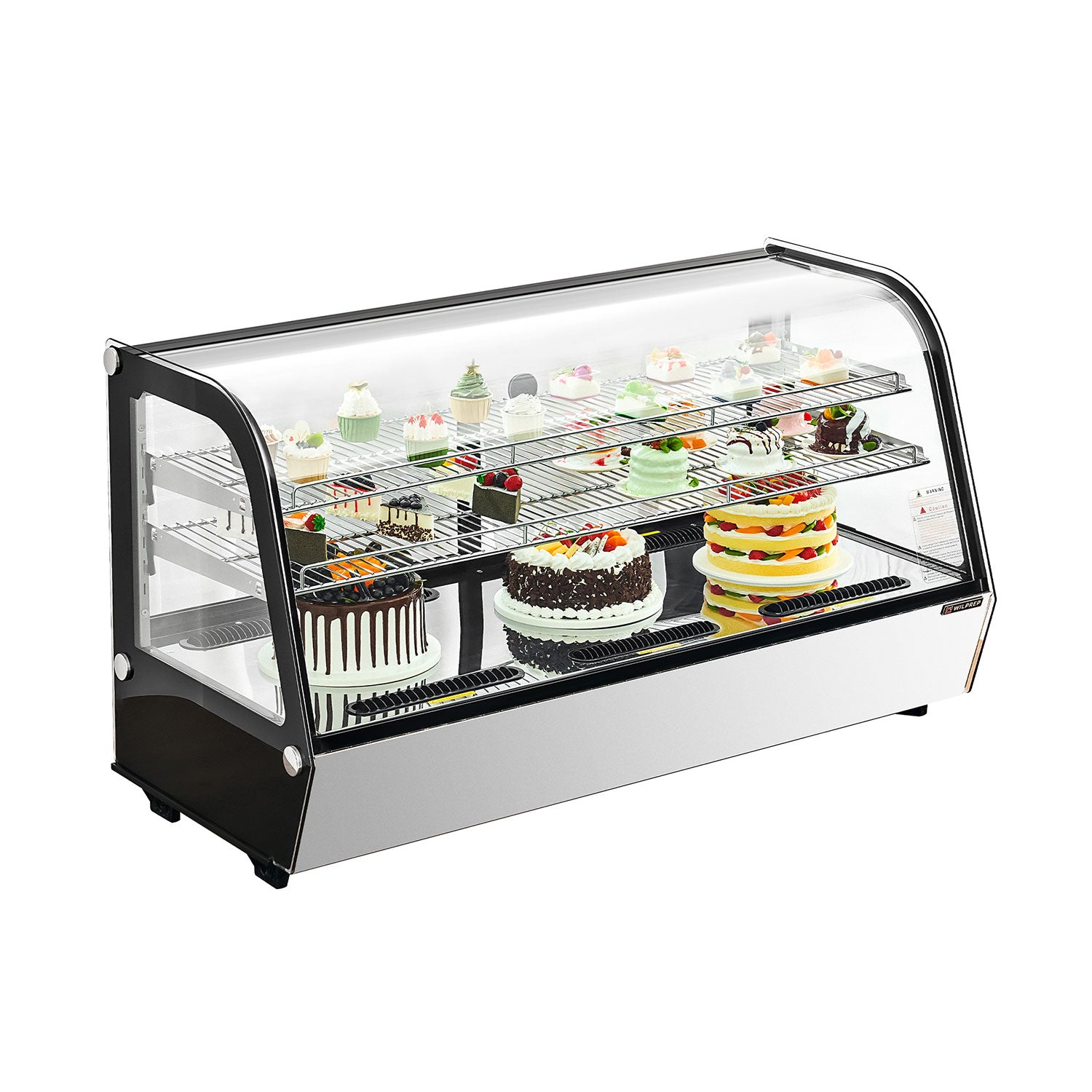
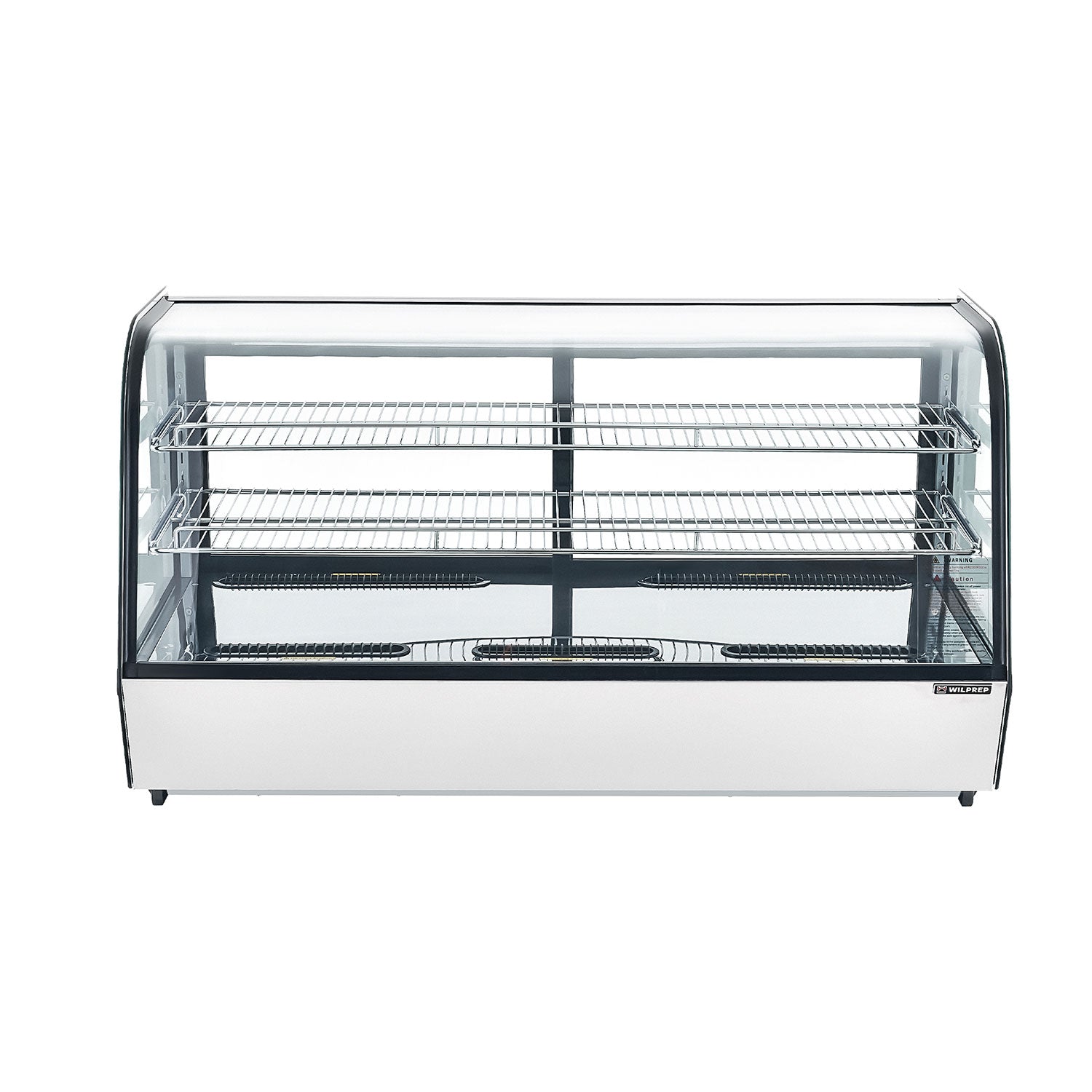 48"7.1 cu. ft.
48" Countertop Display Refrigerator Curved Glass Display Case
- Regular price
- $999.00
- Sale price
- $999.00
- Regular price
-
$1,499.00
-
28" Countertop Display Refrigerator Curved Glass Display Case
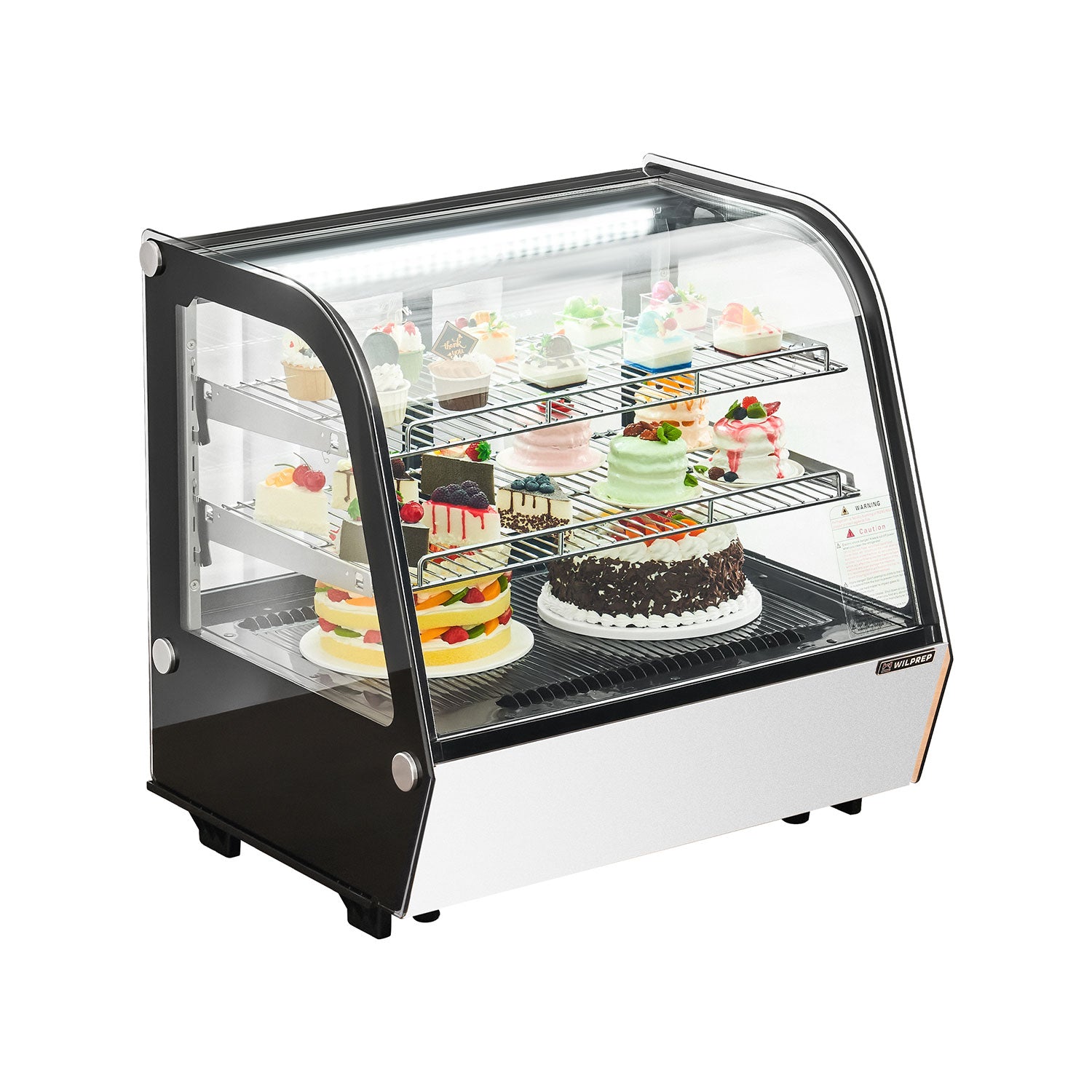
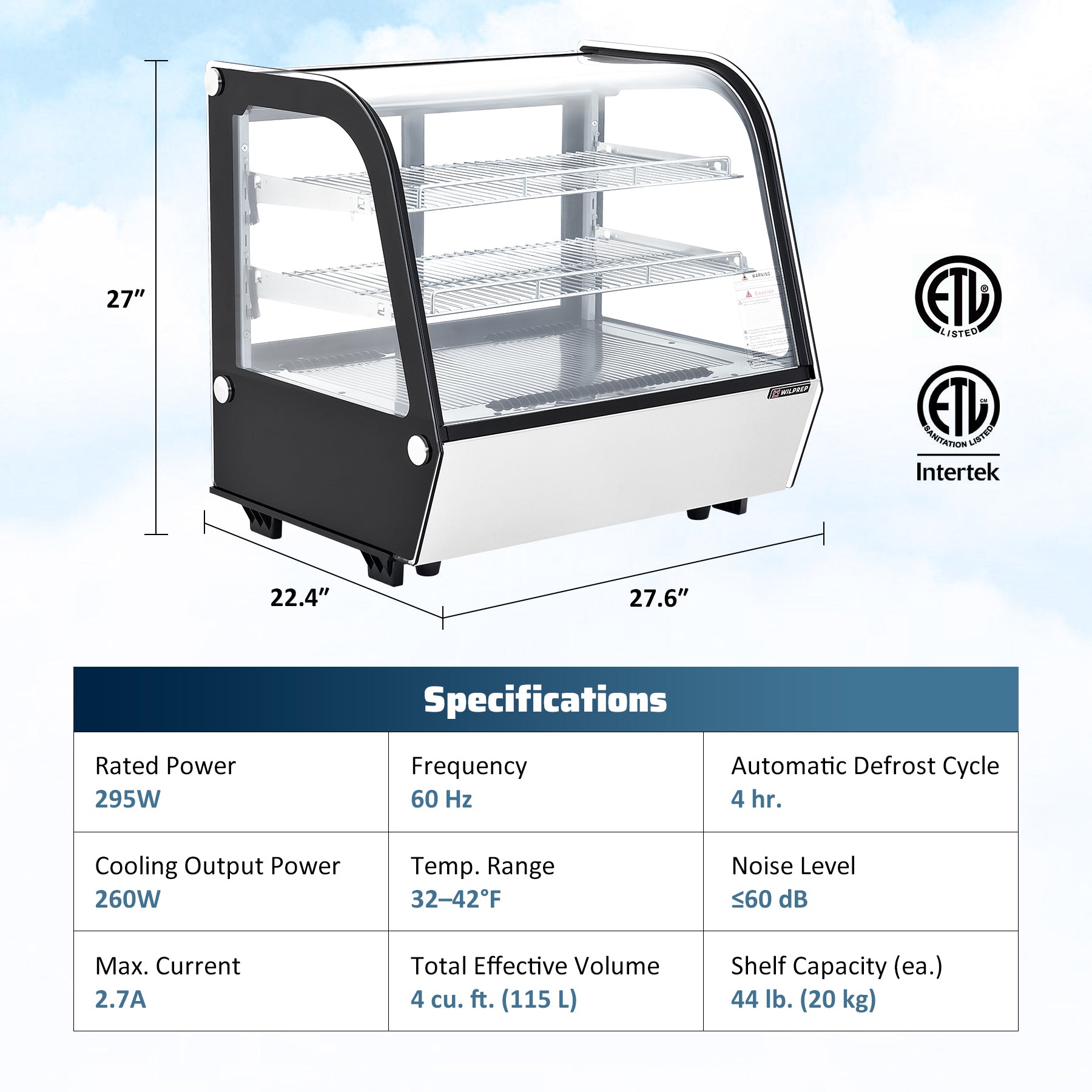 28"4 cu. ft.
28" Countertop Display Refrigerator Curved Glass Display Case
- Regular price
- $499.99
- Sale price
- $499.99
- Regular price
-
$1,099.00
-
54" Commercial Reach in Refrigerator, 35.5 cu. ft. UL Certified Double-Door

 54"35.5 cu. ft.
54" Commercial Reach in Refrigerator, 35.5 cu. ft. UL Certified Double-Door
- Regular price
- $2,999.00
- Sale price
- $2,999.00
- Regular price
-
$2,599.00
-
81" three section solid door reach-in refrigerator 54.9 cu. ft. Capacity UL Certified

 81"54.9 cu. ft.
81" three section solid door reach-in refrigerator 54.9 cu. ft. Capacity UL Certified
- Regular price
- $3,999.00
- Sale price
- $3,999.00
- Regular price
-
$3,999.00
-
29" Commercial Glass Door Reach-In Refrigerator 17.6 cu. ft. Capacity UL Certified

 29"17.6 cu. ft.
29" Commercial Glass Door Reach-In Refrigerator 17.6 cu. ft. Capacity UL Certified
- Regular price
- $2,199.00
- Sale price
- $2,199.00
- Regular price
-
$1,999.00
-
54'' Commercial Solid Door Reach-In Refrigerator 42 cu. ft. Capacity
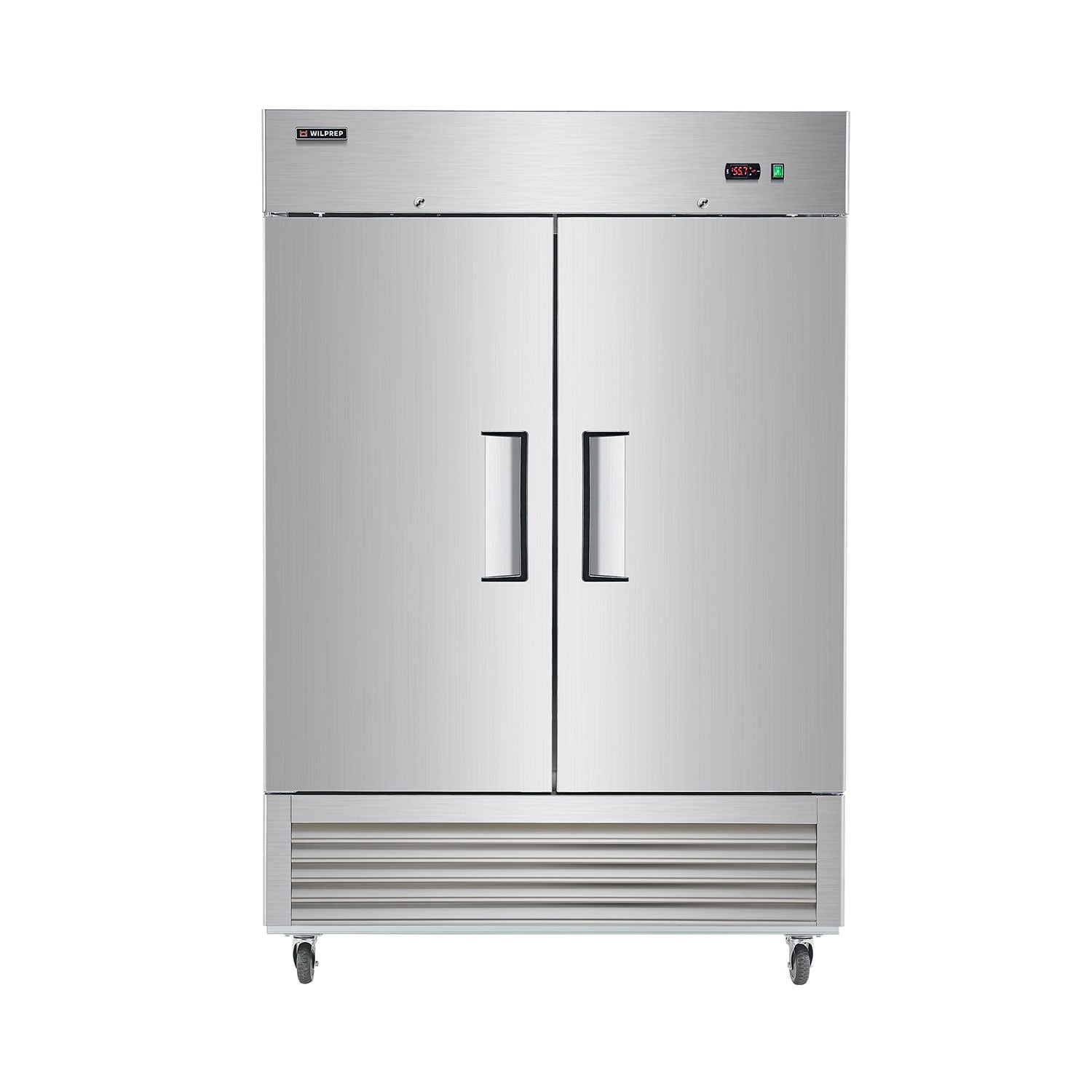
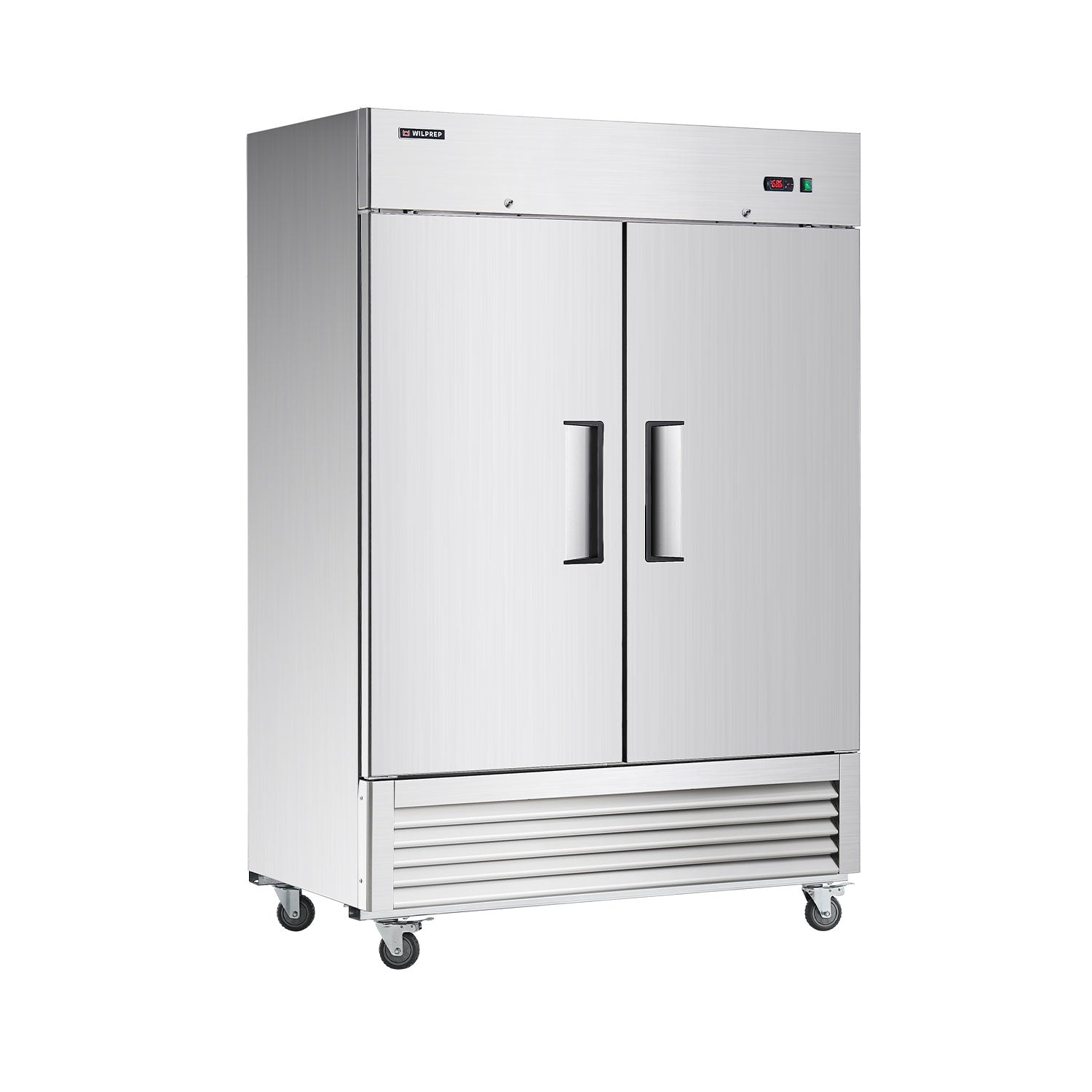 54"42 cu. ft.
54'' Commercial Solid Door Reach-In Refrigerator 42 cu. ft. Capacity
- Regular price
- $2,499.00
- Sale price
- $2,499.00
- Regular price
-
$2,699.00
-
52.4" Commercial Merchandiser Refrigerator Two Sliding Door 37 cu. ft. Capacity
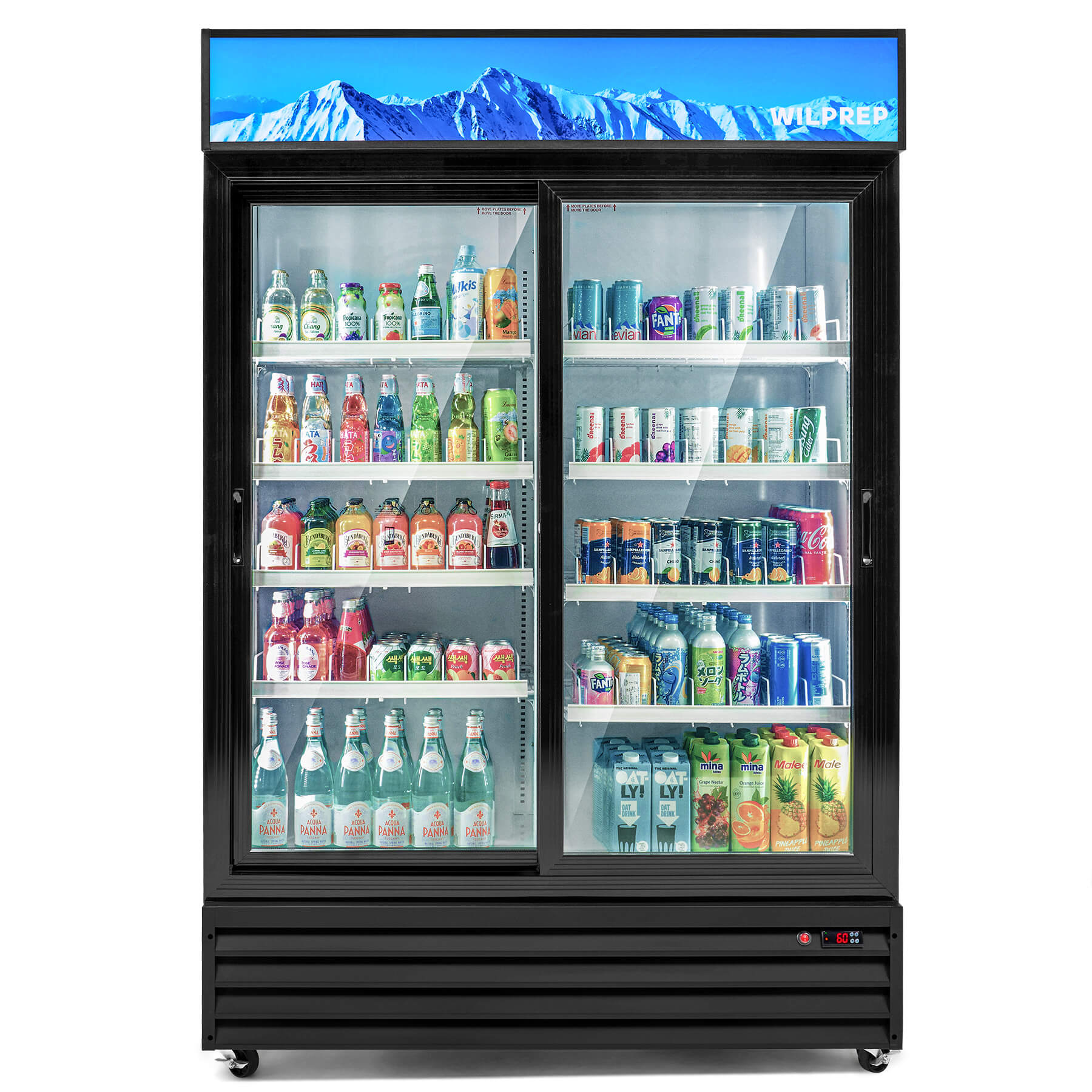
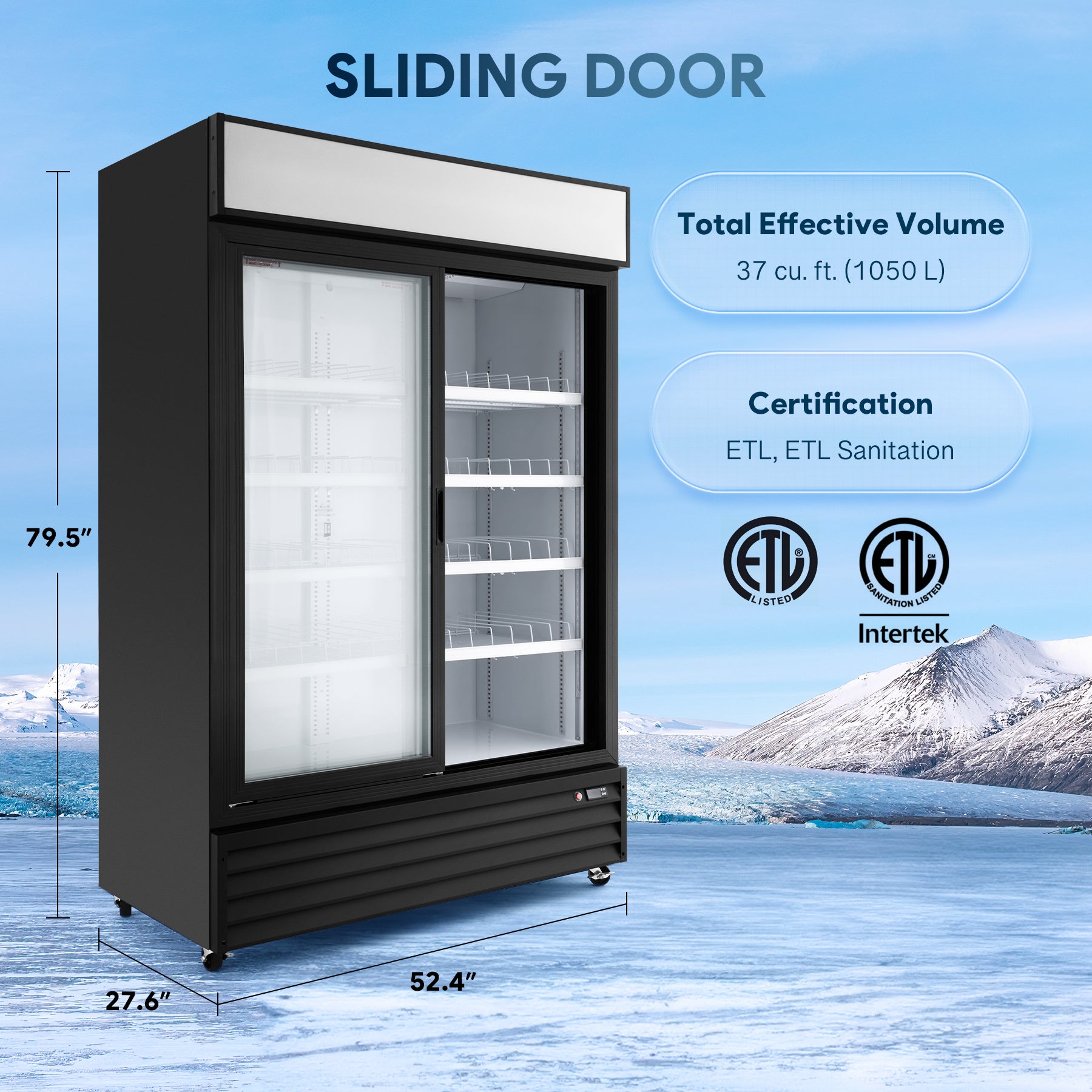 52.4"37.0 cu. ft.
52.4" Commercial Merchandiser Refrigerator Two Sliding Door 37 cu. ft. Capacity
- Regular price
- $1,799.00
- Sale price
- $1,799.00
- Regular price
-
$2,199.00
-
94" 3 Door Commercial Pizza Prep Table Refrigerator
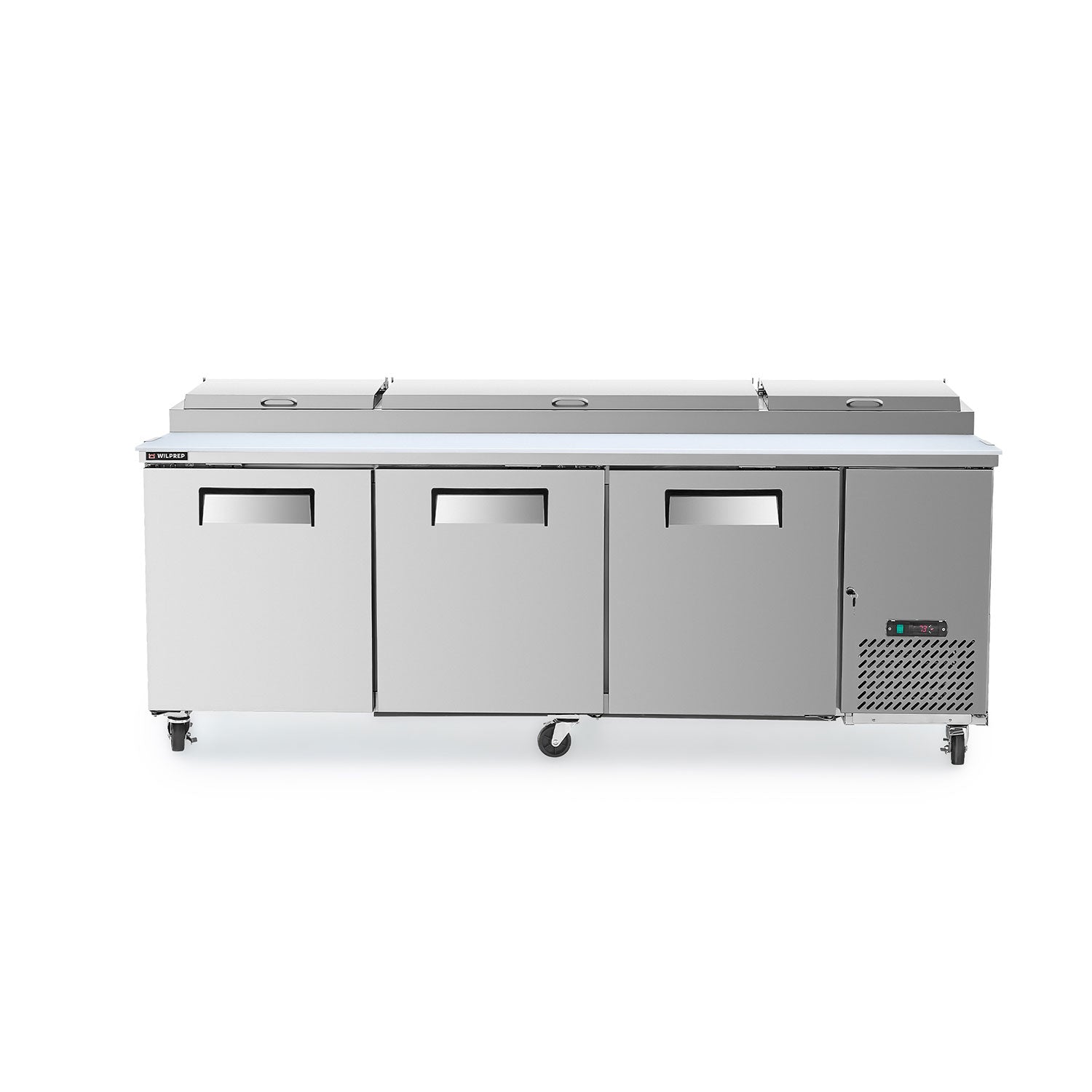
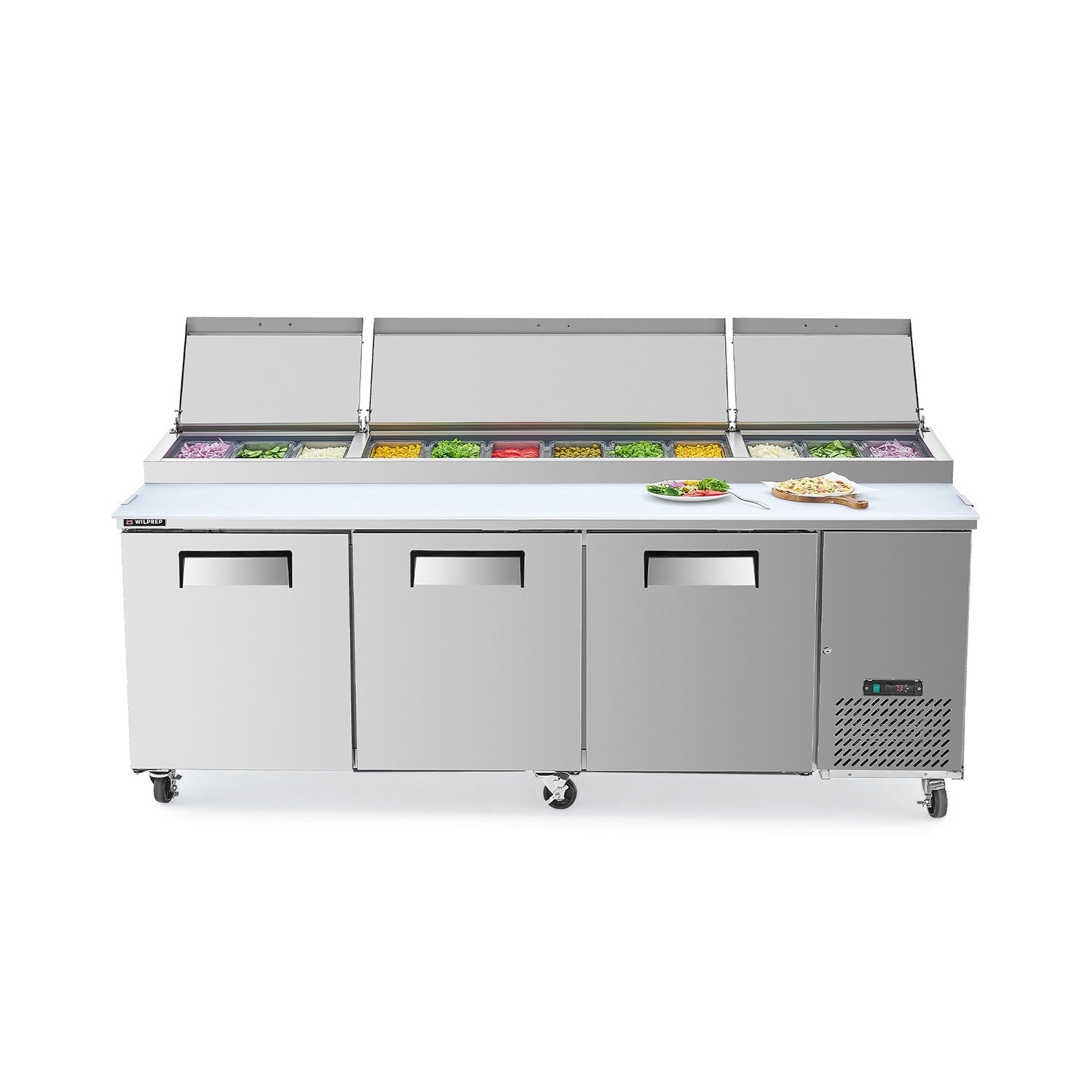 94"30.2 cu. ft.
94" 3 Door Commercial Pizza Prep Table Refrigerator
- Regular price
- $2,999.00
- Sale price
- $2,999.00
- Regular price
-
$3,499.00
-
24" Commercial Display Refrigerator, 10 cu. ft. UL Certified Single-Door

 24"10 cu. ft.
24" Commercial Display Refrigerator, 10 cu. ft. UL Certified Single-Door
- Regular price
- $1,399.00
- Sale price
- $1,399.00
- Regular price
-
$1,399.00
-
61" 2 Door Commercial Salad Prep Table Refrigerator
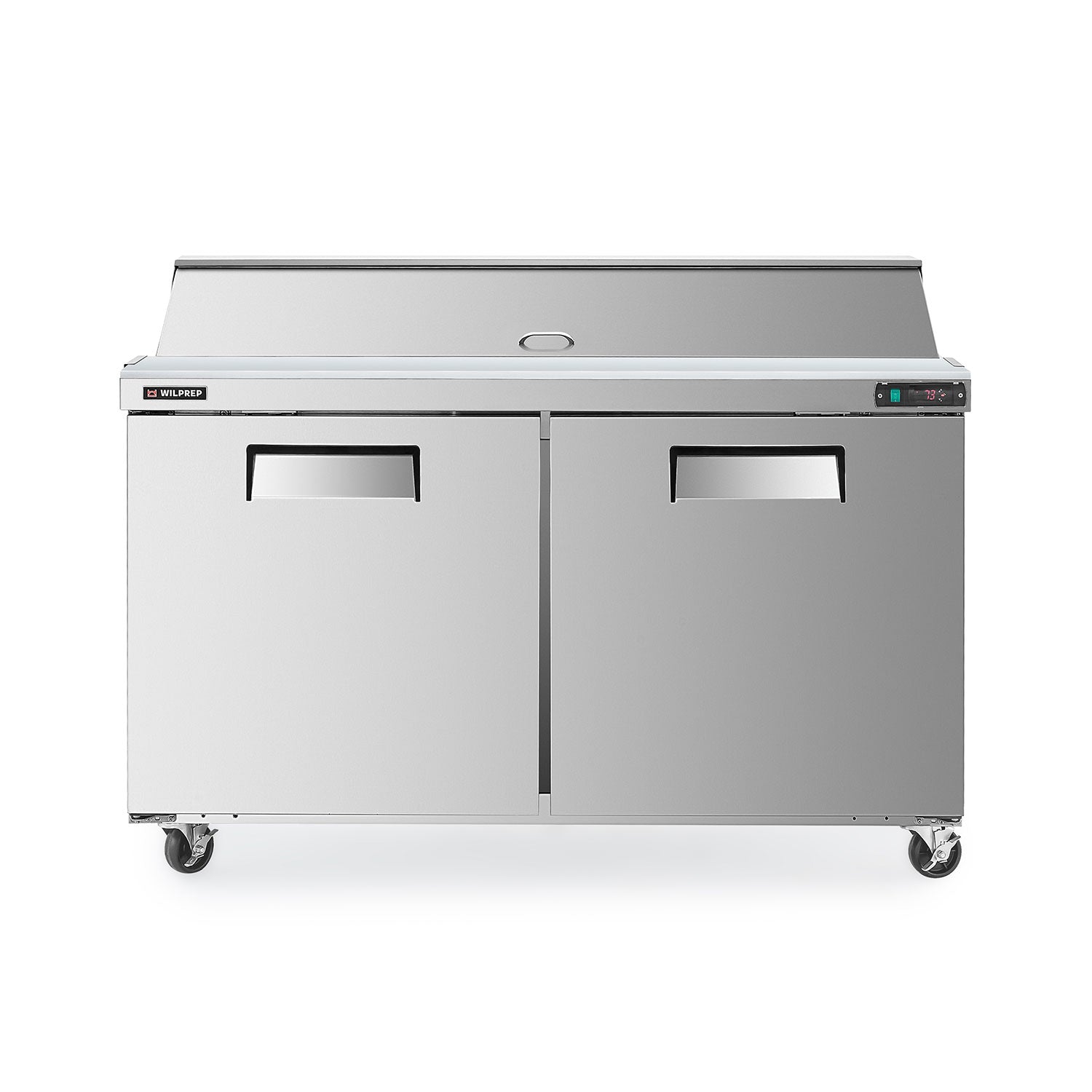
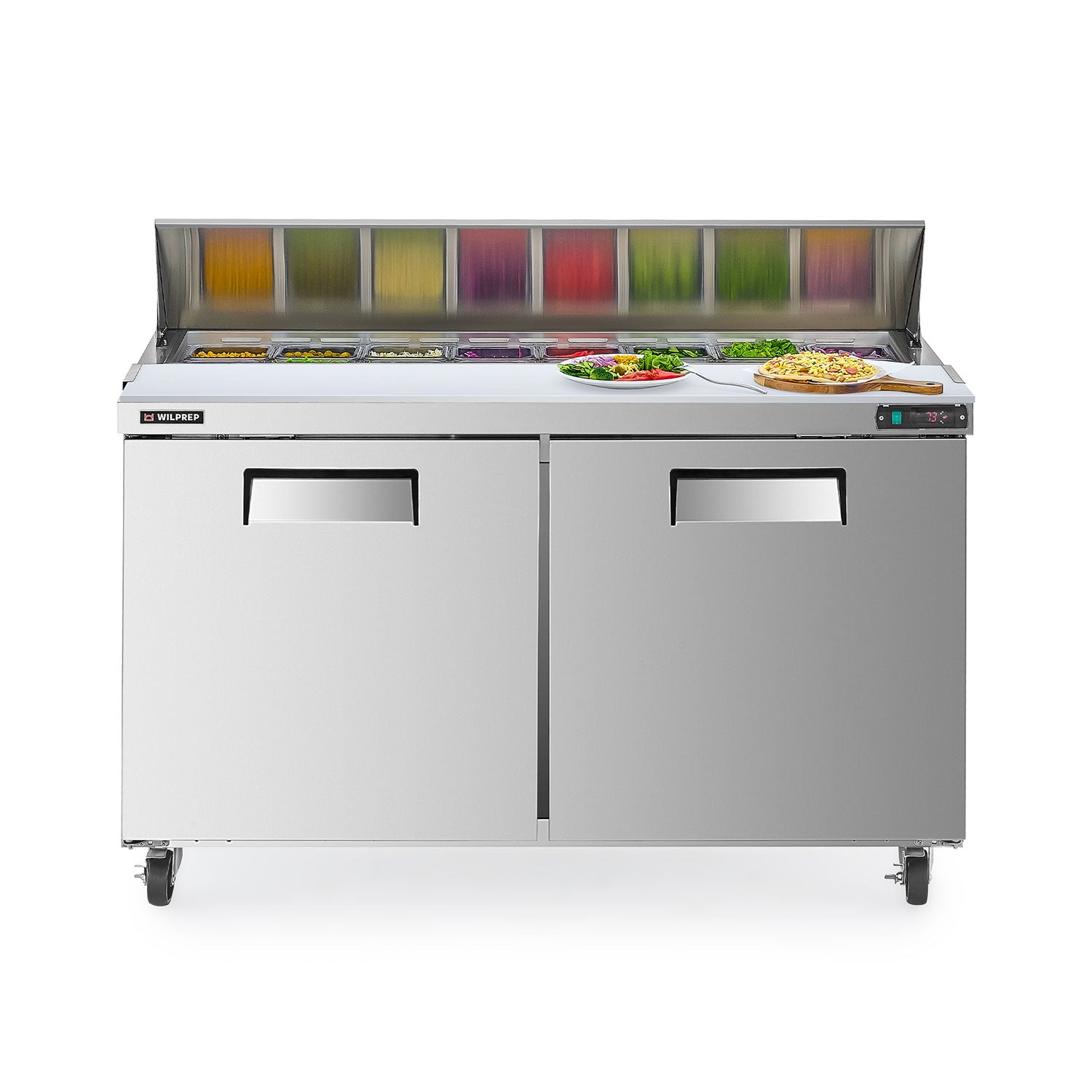 61"15.3 cu. ft.
61" 2 Door Commercial Salad Prep Table Refrigerator
- Regular price
- $2,249.00
- Sale price
- $2,249.00
- Regular price
-
$2,499.00
-
52.4" Commercial Merchandiser Refrigerator Two Swing Door 40 cu. ft. Capacity
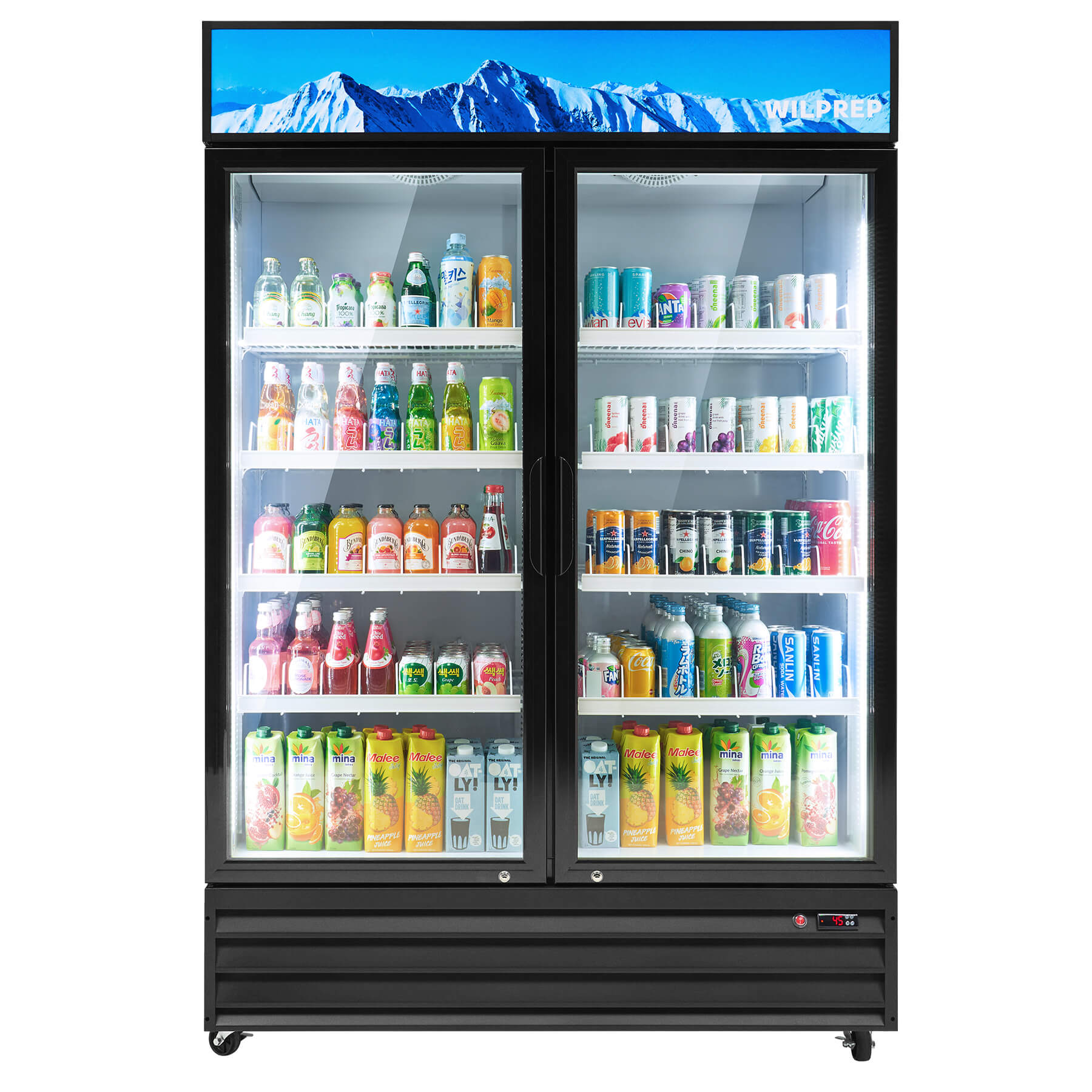
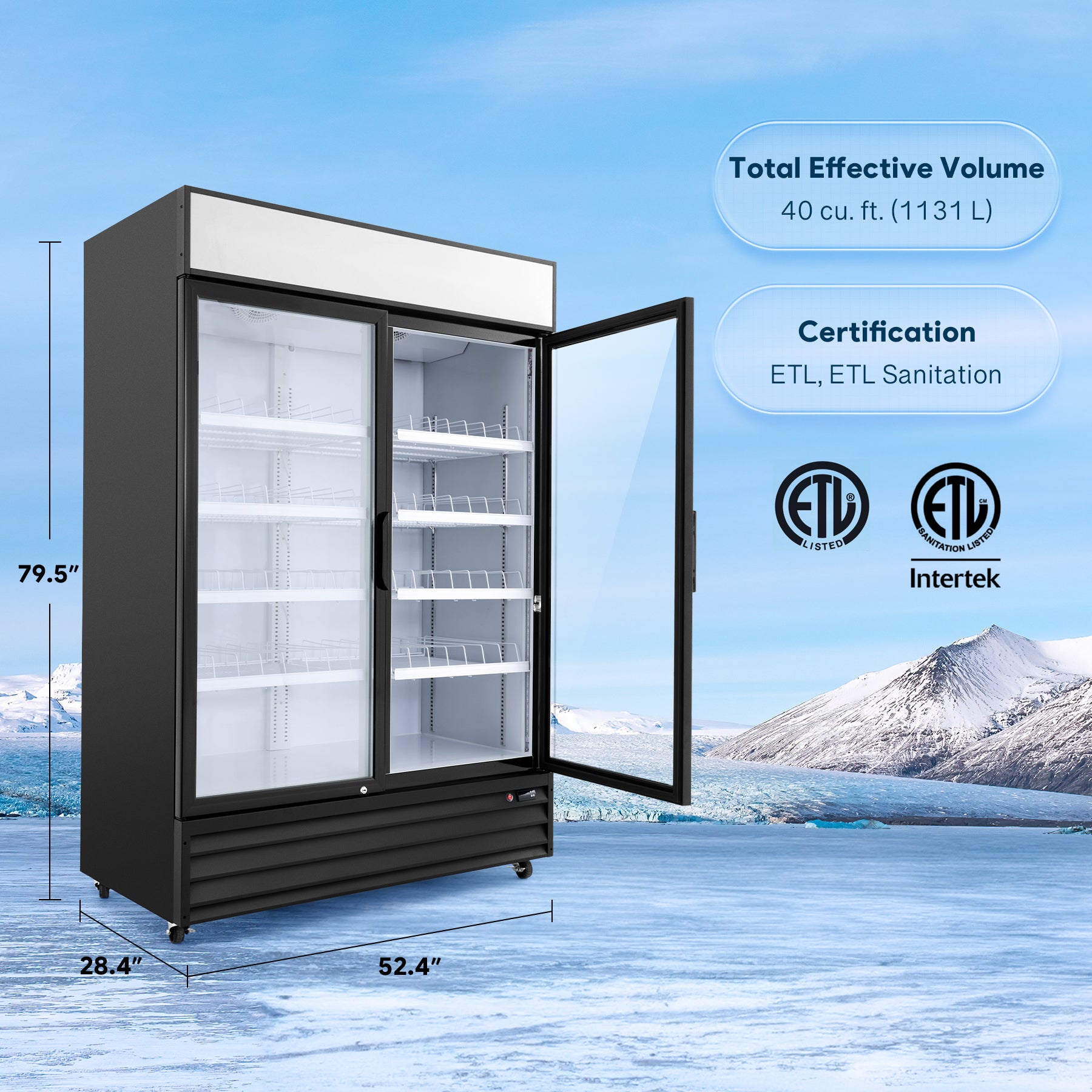 52.4"40 cu. ft.
52.4" Commercial Merchandiser Refrigerator Two Swing Door 40 cu. ft. Capacity
- Regular price
- $1,999.00
- Sale price
- $1,999.00
- Regular price
-
$2,499.00
-
60" Commercial Undercounter Worktop Refrigerator
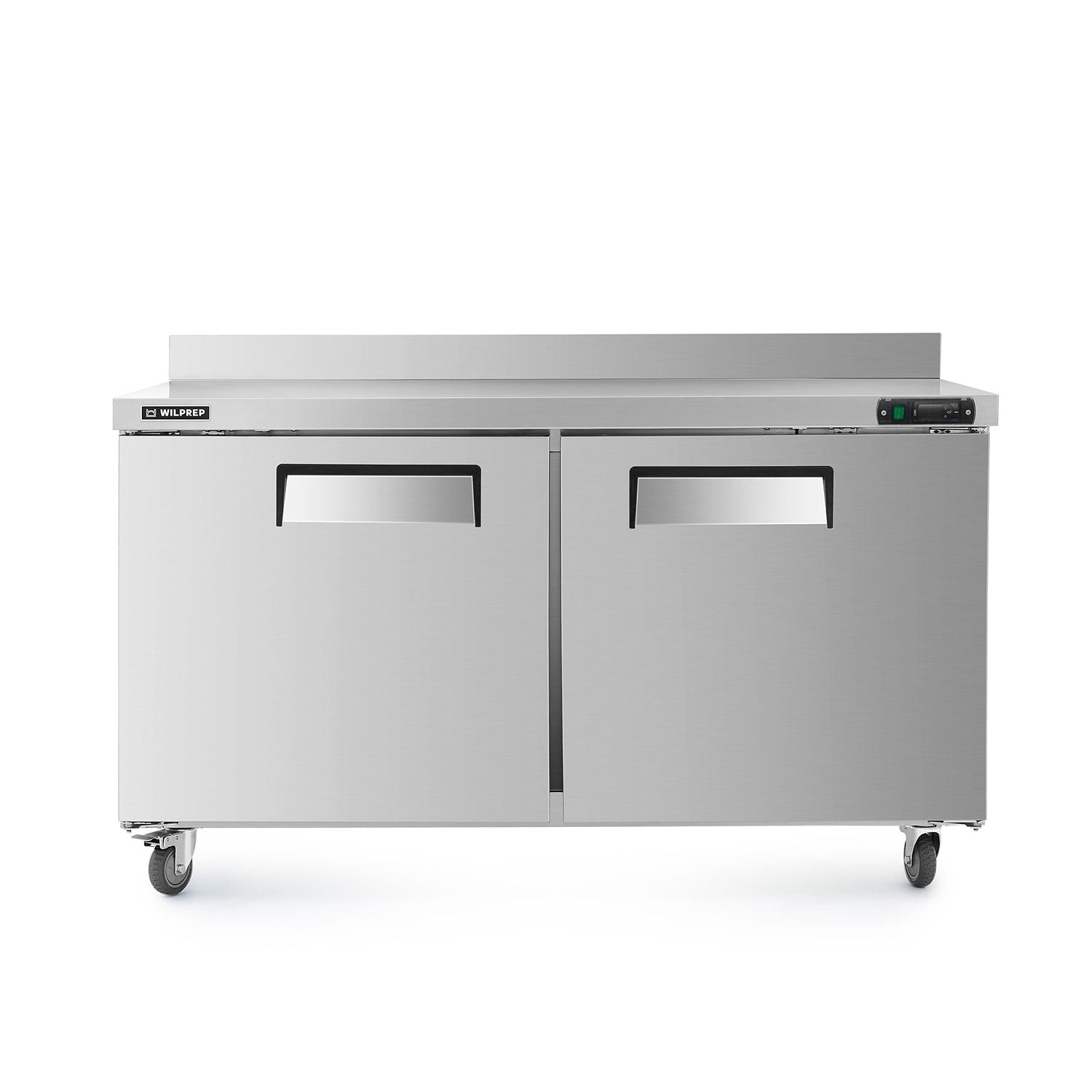
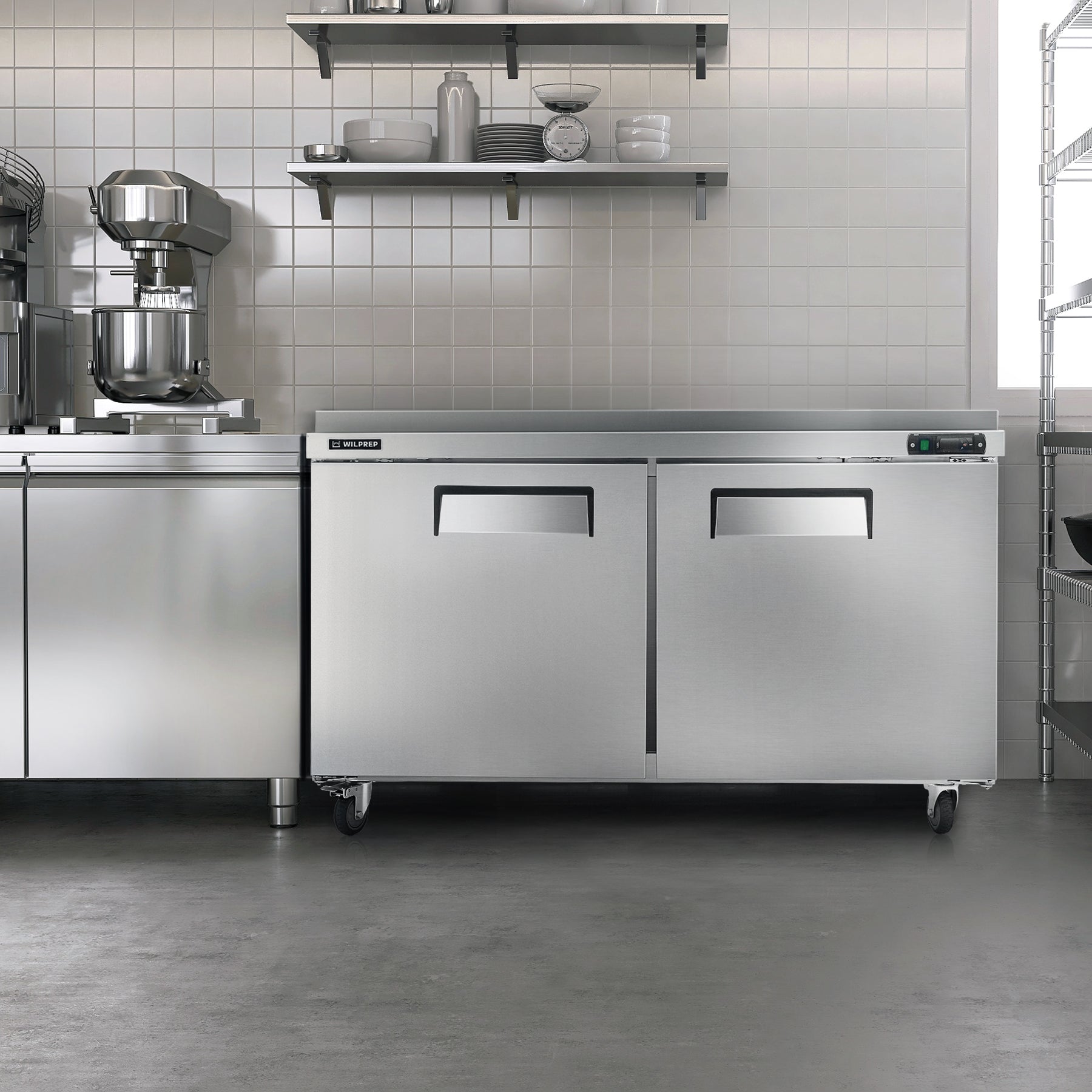 60"14.8 cu. ft.
60" Commercial Undercounter Worktop Refrigerator
- Regular price
- $1,699.00
- Sale price
- $1,699.00
- Regular price
-
$1,899.00
-
28" Commercial Undercounter Worktop Refrigerator
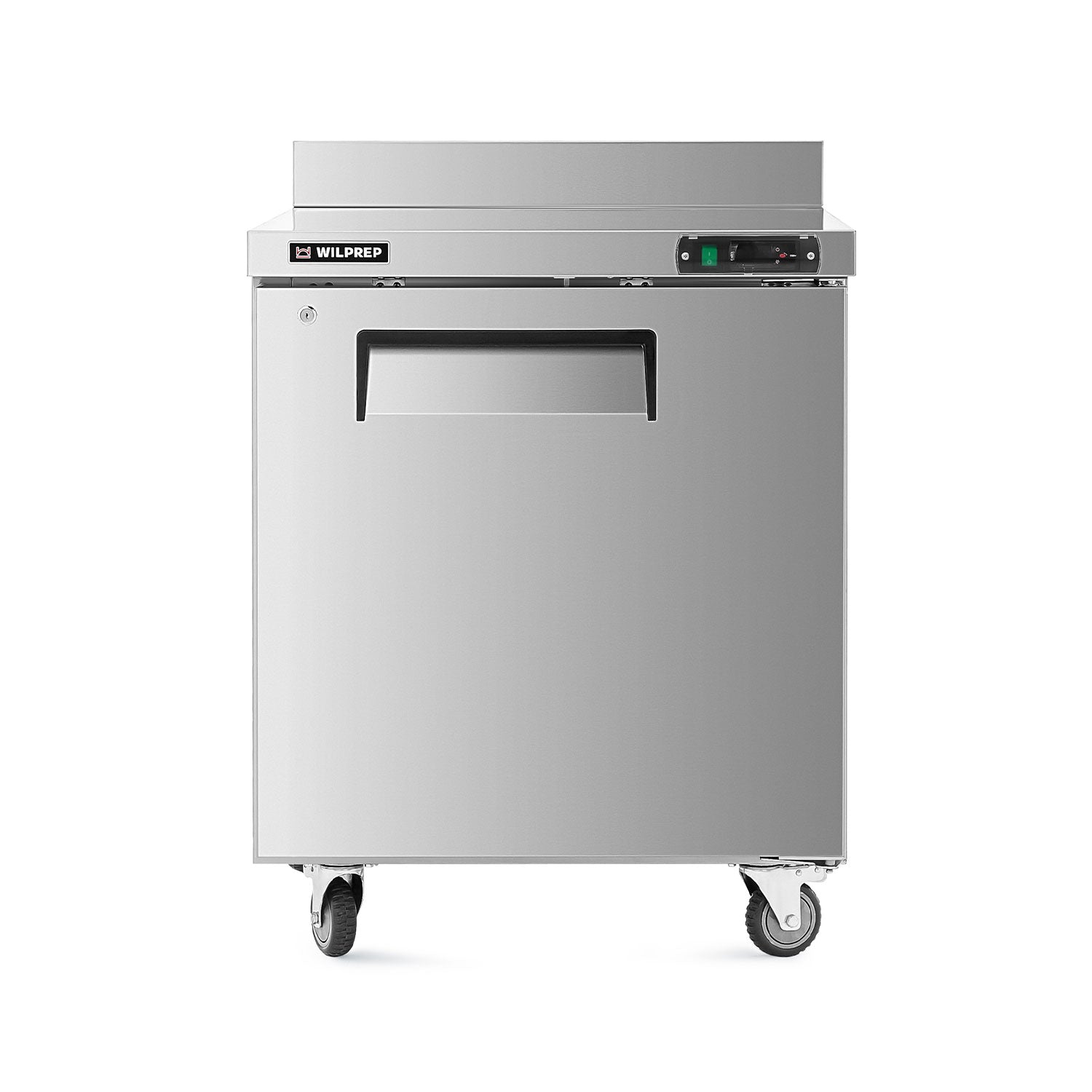
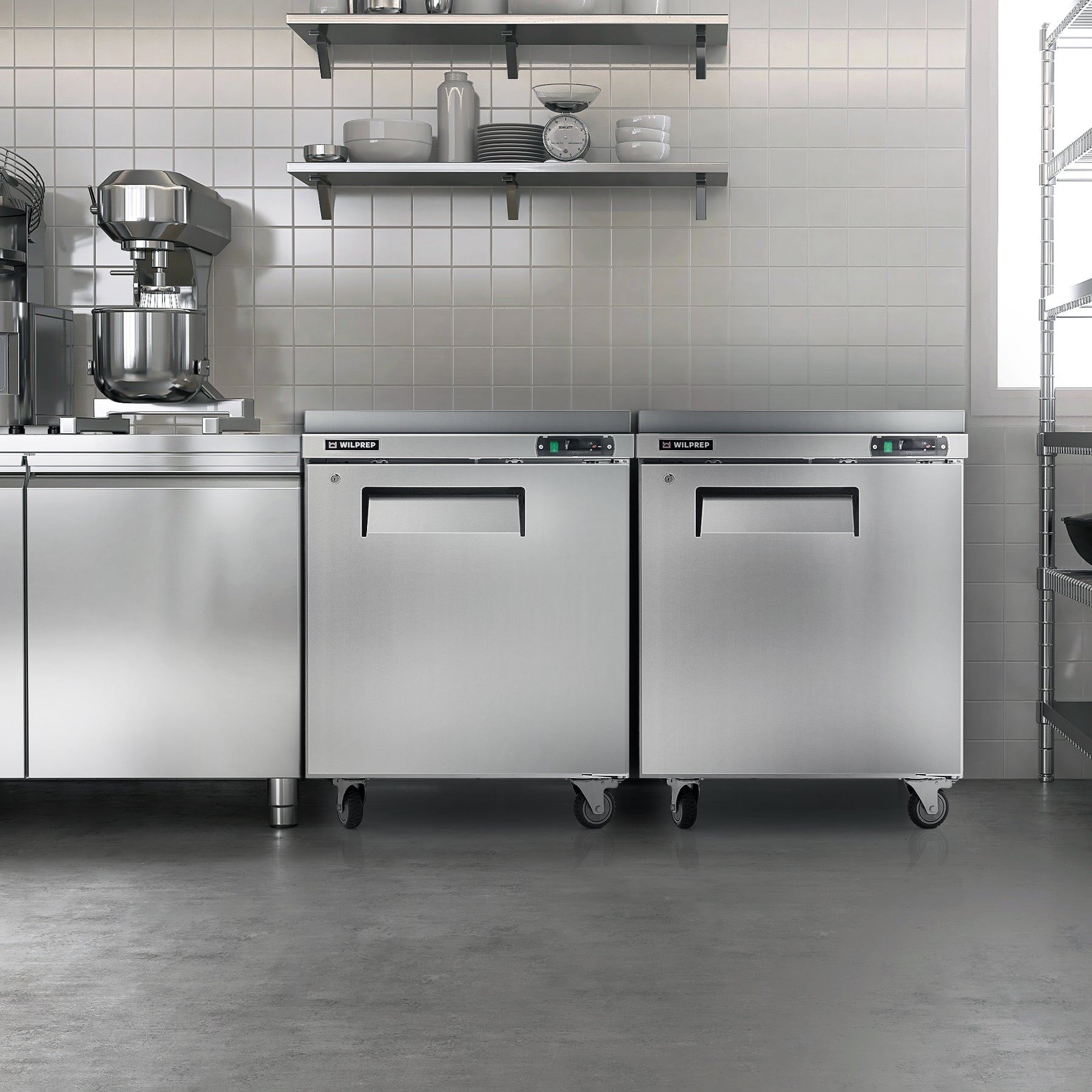 28"6.2 cu. ft.
28" Commercial Undercounter Worktop Refrigerator
- Regular price
- $1,399.00
- Sale price
- $1,399.00
- Regular price
-
$1,599.00
-
35" Countertop Display Refrigerator Curved Glass Display Case
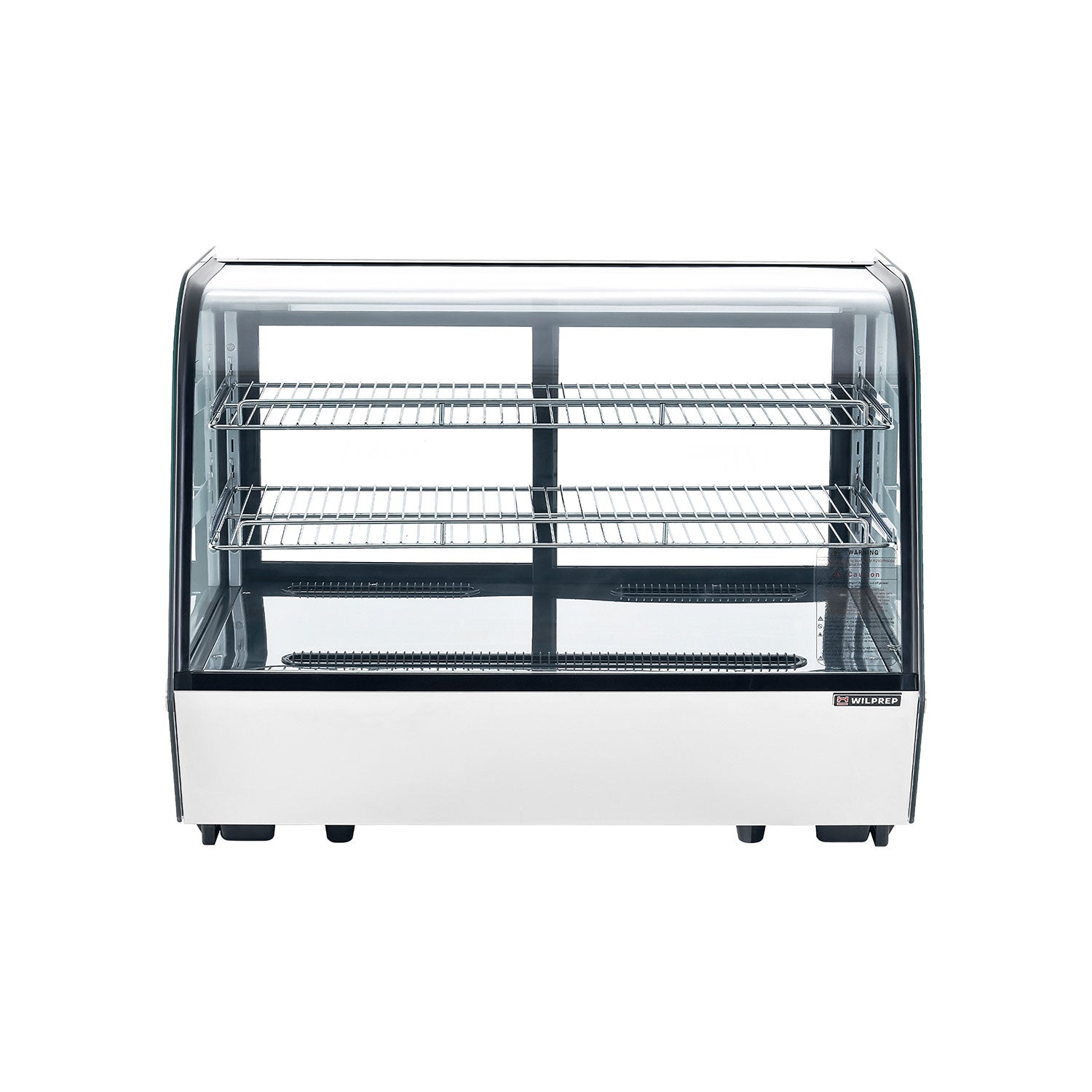
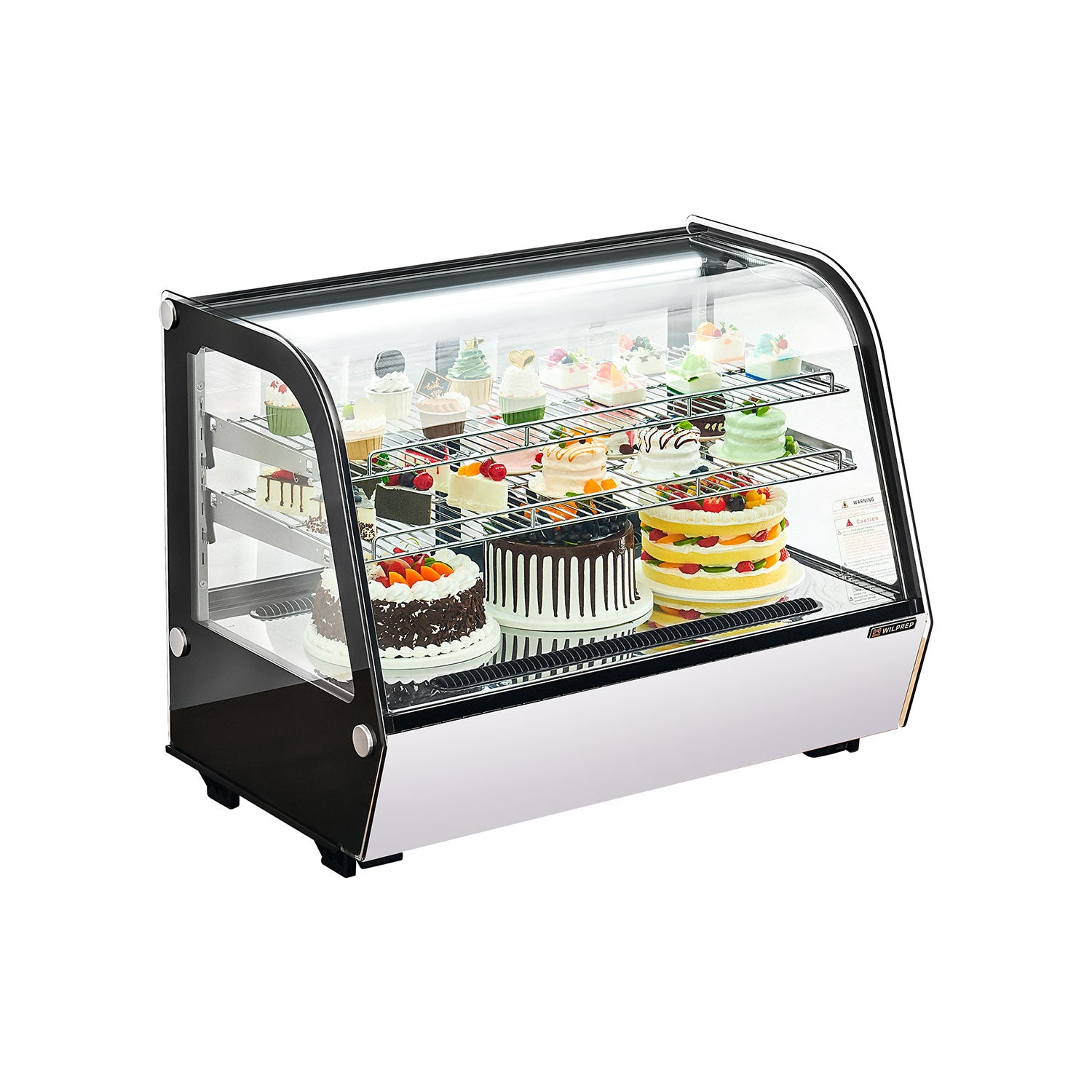 35"5.2 cu. ft.
35" Countertop Display Refrigerator Curved Glass Display Case
- Regular price
- $999.00
- Sale price
- $999.00
- Regular price
-
$1,299.00


Display Refrigerators
Wilprep’s display refrigerators combine reliable cooling, clear product visibility, and everyday practicality in one cost-effective solution. UL-certified and built for commercial use, they help keep drinks and snacks fresh, easy to access, and ready to sell in any café, bar, or store.

Reach-In Refrigerators
Wilprep’s reach-in refrigerators deliver reliable cooling, practical storage, and excellent value for busy commercial kitchens. UL-certified and built for daily use, they keep ingredients fresh, organized, and always within easy reach.

Reach-In Freezers
Wilprep’s reach-in freezers offer reliable freezing, practical storage, and excellent value for busy commercial kitchens. UL-certified and built for daily use, they keep ingredients frozen, organized, and always within easy reach.
Wilprep UL-certified Commercial Refrigeration Solutions
Wilprep’s UL-certified refrigeration lineup is designed as a complete commercial solution—from customer-facing display units (open-air and glass door merchandisers) to back-end kitchen essentials (reach-in refrigerators, freezers, and prep tables). The focus is on practical performance, food safety compliance, and cost-effective cooling for everyday commercial use.
Wilprep commercial refrigeration technology
Wilprep commercial refrigeration technology is aligned with modern industry advancements that focus on energy efficiency, environmental responsibility, system intelligence, and high-performance cooling components. As commercial kitchens and retail environments demand more reliable and sustainable refrigeration, Wilprep incorporates key technologies that reflect broader trends in the refrigeration industry.
Types of Commercial Refrigeration Units
Open-Air Merchandiser
An open-air merchandiser is a commercial refrigeration unit designed to display chilled products without doors, making it easy for customers to select items quickly.
Instead of a physical barrier, it relies on a constant flow of cold air—known as an air curtain—to maintain the internal temperature. These commercial refrigeration units are widely used in supermarkets, convenience stores, and cafés, especially in areas where quick access and product visibility are essential.
These commercial refrigeration units are available in several formats, including vertical models for beverages and packaged foods, horizontal island-style displays for produce, and smaller grab-and-go coolers placed near checkout counters. Choosing the right type depends on the kind of products being sold and the layout of the retail space.
Display Refrigerator
A display refrigerator is a type of commercial refrigeration unit designed not only to keep food and beverages cold but also to showcase products in an attractive, visible way to customers. It is commonly used in supermarkets, convenience stores, cafés, bakeries, and restaurants where product presentation is just as important as temperature control.
Unlike standard storage refrigeration units, a display refrigerator features glass doors or open viewing panels, internal LED lighting, and strategically arranged shelving. These design elements allow customers to clearly see available products such as drinks, desserts, salads, sandwiches, and packaged foods, which helps increase impulse purchases and overall sales.
There are several types of display refrigerators depending on business needs. Upright glass-door models are the most common and are often placed along retail aisles. Countertop display refrigerators are smaller and ideal for cafés or bakeries showcasing drinks and desserts. Multi-deck open-front units, sometimes used in supermarkets, allow quick grab-and-go access while maintaining cooling through air curtain technology.
Modern display refrigerators often integrate with commercial refrigeration technology, including digital temperature controls, energy-efficient compressors, and LED lighting systems that reduce power consumption.
Some advanced models are also compatible with commercial refrigeration monitoring systems, allowing businesses to track temperature performance in real time and ensure food safety compliance.
From a broader perspective, display refrigerators are part of a complete commercial refrigeration system, working alongside reach-in refrigerators, freezers, and prep tables to support daily kitchen and retail operations. They also contribute to overall commercial refrigeration solutions by combining storage efficiency with marketing-driven product presentation.
Reach-In Refrigerator
A reach-in refrigerator is a standard piece of commercial refrigeration equipment used in restaurants, hotels, cafés, and catering kitchens to store perishable food at safe refrigeration temperatures while allowing quick and easy access. As the name suggests, staff can simply “reach in” through one or more doors to retrieve ingredients, making it a highly practical solution for fast-paced foodservice environments.
Unlike walk-in coolers, reach-in refrigerators are compact, upright commercial refrigeration units designed to fit directly into kitchen lines or prep areas. They typically come in one-, two-, or three-door configurations, with adjustable shelving inside to accommodate a variety of food items such as dairy products, vegetables, sauces, and prepared foods. Most models maintain a temperature range between 33°F and 40°F, which is ideal for preserving freshness and meeting food safety standards.
Glass-door models are often used for beverage display, while solid-door versions are preferred for kitchen storage where insulation and energy efficiency are priorities.
Reach-In Freezer vs. Walk-in Freezer
A reach-in freezer is a commercial refrigeration unit designed for easy access and efficient frozen storage in professional kitchens. Unlike walk-in freezers, these commercial refrigeration units are compact and upright, allowing staff to “reach in” and quickly retrieve ingredients. They are commonly used in restaurants, hotels, grocery stores, and catering operations where space efficiency and quick access are essential.
Reach-in freezers are typically built with durable stainless steel interiors and exteriors, making them suitable for heavy daily use while also being easy to clean. Most models feature one, two, or three solid doors and adjustable shelving to accommodate different types of food products. They are designed to maintain consistent temperatures, usually between 0°F and -8°F, ensuring safe long-term storage of frozen goods such as meat, seafood, and prepared foods.
One of the biggest advantages of a reach-in freezer is its convenience. Compared to larger walk-in units, it allows for faster access and better organization, which is crucial during busy service hours. Many models also include features like digital temperature controls, automatic defrost systems, and self-closing doors to improve efficiency and reduce energy waste.
Prep Table Refrigerator
A prep table refrigerator is a specialized piece of commercial kitchen equipment that combines refrigerated storage and a food preparation workspace into one unit. It is widely used in restaurants, delis, sandwich shops, and pizzerias, where speed, efficiency, and food safety are critical.
One of the key advantages of a prep table refrigerator is its ability to streamline kitchen workflow. Ingredients such as vegetables, meats, cheeses, and sauces are stored in easy-to-access pans directly above a built-in cutting board. This setup reduces movement in the kitchen and helps staff prepare items like sandwiches, salads, or pizzas without constantly opening and closing separate refrigerators.
FAQs
Commercial refrigeration refers to the systems and equipment used in businesses to store, preserve, and display food, beverages, and other temperature-sensitive products at controlled low temperatures. Unlike residential refrigerators, commercial refrigeration units are designed for heavy-duty, continuous operation in environments such as restaurants, supermarkets, hotels, hospitals, and food processing facilities.
At its core, commercial refrigeration works by removing heat from an enclosed space and transferring it outside, keeping the internal temperature consistently low. This process relies on a refrigeration cycle involving a compressor, condenser, evaporator, and refrigerant fluid.
Commercial refrigeration works by continuously removing heat from an enclosed space using a closed-loop refrigeration cycle.
Inside the system, a refrigerant absorbs heat from the storage area as it passes through the evaporator coil, turning from a liquid into a gas and lowering the internal temperature.
The compressor then pressurizes this gas, raising its temperature before sending it to the condenser, where the heat is released into the surrounding air and the refrigerant turns back into a liquid.
It then passes through an expansion valve that reduces its pressure and temperature, allowing it to return to the evaporator and repeat the cycle.
This continuous process keeps commercial refrigeration units stable, efficient, and capable of maintaining precise low temperatures even under heavy use in demanding environments like restaurants, supermarkets, and food service operations.
A commercial refrigeration system may stop cooling properly for several common reasons, usually related to airflow, refrigerant, or mechanical issues.
One of the most frequent causes is dirty condenser coils, which prevent heat from being released efficiently, forcing the system to struggle or overheat.
Another is poor airflow inside the commercial refrigeration units, often due to blocked vents, overloading with products, or a faulty evaporator fan. Low refrigerant levels from a leak can also reduce cooling performance significantly, since the system cannot absorb and transfer heat properly.
In some cases, the issue may be a malfunctioning compressor or thermostat, meaning the system is not cycling correctly or is not being told to cool. Electrical problems, such as faulty relays or control boards, can also interrupt operation.
If basic checks like cleaning coils, ensuring proper airflow, and verifying temperature settings don’t solve the issue, it usually indicates a deeper mechanical or refrigerant problem that requires a qualified refrigeration technician.
Cleaning commercial refrigerator condenser coils is a key maintenance task that helps keep the commercial refrigeration units cooling efficiently.
First, turn off and unplug the refrigerator to ensure safety. Locate the condenser coils, which are usually at the back, bottom, or top of the commercial refrigeration units depending on the model. Use a coil brush or soft-bristle brush to gently remove dust, grease, and debris from the fins, brushing in the direction of the coils to avoid damage.
Next, use a vacuum cleaner with a brush attachment to collect loosened dirt. For heavy buildup, you can lightly spray a commercial coil cleaner and allow it to sit for a few minutes before wiping or rinsing according to the product instructions. Be careful not to bend the delicate fins—if they do get bent, a fin comb can be used to straighten them.
Once clean and dry, restore power to the commercial refrigeration units. Regular cleaning every 1–3 months (depending on environment) helps improve energy efficiency, reduce compressor strain, and maintain consistent cooling performance.
To schedule routine inspections for commercial refrigeration, start by creating a fixed preventive maintenance calendar based on manufacturer recommendations and your business usage—most systems benefit from monthly basic checks and quarterly or biannual professional inspections.
It’s also helpful to use a maintenance log or digital monitoring system to track service dates, repairs, and performance trends. For busy commercial kitchens or retail environments, setting automatic reminders in a maintenance software or calendar system ensures inspections are never missed.
To clean a commercial refrigerator, start by turning off and unplugging the commercial refrigeration units and removing all food and shelves.
Wash removable shelves, trays, and bins with warm water and mild dish soap, then rinse and let them dry completely.
Inside the refrigerator, wipe down all surfaces using a solution of warm water and a food-safe cleaner or mild detergent, paying special attention to corners, door gaskets, and areas where spills may collect.
Clean the door seals carefully to ensure they remain airtight. For stubborn stains or odors, a baking soda solution can help neutralize smells without damaging surfaces.
Once everything is clean and dry, reassemble the shelves, plug the commercial refrigeration units back in, and allow it to reach the proper temperature before restocking.
Regular cleaning—at least once a week for high-use commercial units—helps maintain hygiene, improve efficiency, and extend equipment life.
Wilprep is a reliable commercial refrigeration brand that focuses on providing practical and cost-effective cooling solutions for small restaurants, cafes, and light commercial kitchens. Its equipment typically features standard commercial-grade refrigeration systems, stainless steel construction for easy cleaning, and a range of sizes such as reach-in refrigerators and prep tables to suit different business needs.
The best software for commercial refrigeration service management is typically a field service management (FSM) platform, and one of the most well-known options is BuildOps.
It is designed specifically for commercial HVAC and refrigeration businesses, offering an all-in-one system to manage scheduling, dispatching, preventive maintenance contracts, customer records, equipment history, invoicing, and reporting. Technicians can also use a mobile app to access job details, update work orders, and record service data in real time, which helps improve efficiency and reduce downtime.
Commercial refrigerators typically last 10 to 15 years on average, but their actual lifespan depends heavily on the brand, usage intensity, and how well they are maintained. High-quality commercial refrigeration units that are properly cleaned, serviced regularly, and not overworked can sometimes last up to 20 years or more, while poorly maintained systems or those in high-demand environments (like busy restaurants) may fail closer to the 8–10 year range.
A commercial refrigerator should typically be kept at 34°F to 38°F (1°C to 3°C) to safely store perishable foods while preventing bacterial growth. This range is widely recommended in the food service industry because it keeps ingredients cold enough to stay fresh, but not so cold that they begin to freeze.
For best results, many businesses aim for a steady setting around 37°F (3°C), which provides a good balance between food safety and energy efficiency. Freezers in commercial settings, on the other hand, should generally be maintained at 0°F (-18°C).
Yes, you can use a commercial refrigerator at home, but it depends on your needs and you should be aware of a few trade-offs.
Commercial refrigerators are built for heavy-duty use, large capacity, and constant opening/closing, so they can actually work very well in home settings if you need extra storage—especially for large families, bulk food storage, or home businesses. They also tend to have strong, consistent cooling and durable construction.
The weight of a commercial refrigerator varies widely depending on its size and type, but most commercial refrigeration units fall between 150 lbs (68 kg) and over 1,000 lbs (450+ kg).
Smaller models like undercounter or reach-in refrigerators typically weigh around 150–400 lbs (68–180 kg). Medium-sized upright reach-in units usually range from 250–600 lbs (113–272 kg).
Larger equipment such as walk-in coolers or freezers can be much heavier, often starting around 500 lbs (227 kg) for panels and exceeding 1,000 lbs (450 kg) or more once fully assembled.
A commercial refrigerator typically uses about 1,000 to 4,000 kilowatt-hours (kWh) per year, but actual electricity consumption can vary widely depending on size, type, and usage conditions.
Smaller commercial refrigeration units like undercounter or single-door reach-in refrigerators may use around 1–2 kWh per day (about 365–730 kWh per year), while larger double- or triple-door reach-in models can consume 3–8 kWh per day (around 1,000–3,000 kWh per year).
Big systems such as walk-in coolers or freezers can be used significantly more, especially if they are frequently opened or installed in hot environments.