
-
29" Single Solid Door Reach-In Refrigerator, 17.6 cu. ft., UL Certified

 29"17.6 cu. ft.
29" Single Solid Door Reach-In Refrigerator, 17.6 cu. ft., UL Certified
- Regular price
- $1,799.00
- Sale price
- $1,799.00
- Regular price
-
-
29" Single Solid Door Reach-In Refrigerator, 23.3 cu. ft., UL Certified

 29"23.3 cu. ft.
29" Single Solid Door Reach-In Refrigerator, 23.3 cu. ft., UL Certified
- Regular price
- $1,999.00
- Sale price
- $1,999.00
- Regular price
-
$1,499.00
-
54" Double Solid Door Reach-In Refrigerator, 35.5 cu. ft., UL Certified

 54"35.5 cu. ft.
54" Double Solid Door Reach-In Refrigerator, 35.5 cu. ft., UL Certified
- Regular price
- $2,599.00
- Sale price
- $2,599.00
- Regular price
-
-
54" Double Solid Door Reach-In Refrigerator, 47 cu. ft., UL Certified

 54"47 cu. ft.
54" Double Solid Door Reach-In Refrigerator, 47 cu. ft., UL Certified
- Regular price
- $2,899.00
- Sale price
- $2,899.00
- Regular price
-
-
81" Triple Solid Door Reach-In Refrigerator, 54.9 cu. ft., UL Certified

 81"54.9 cu. ft.
81" Triple Solid Door Reach-In Refrigerator, 54.9 cu. ft., UL Certified
- Regular price
- $3,999.00
- Sale price
- $3,999.00
- Regular price
-
-
81" Triple Door Commercial Freezer 60.9 cu. ft Capacity
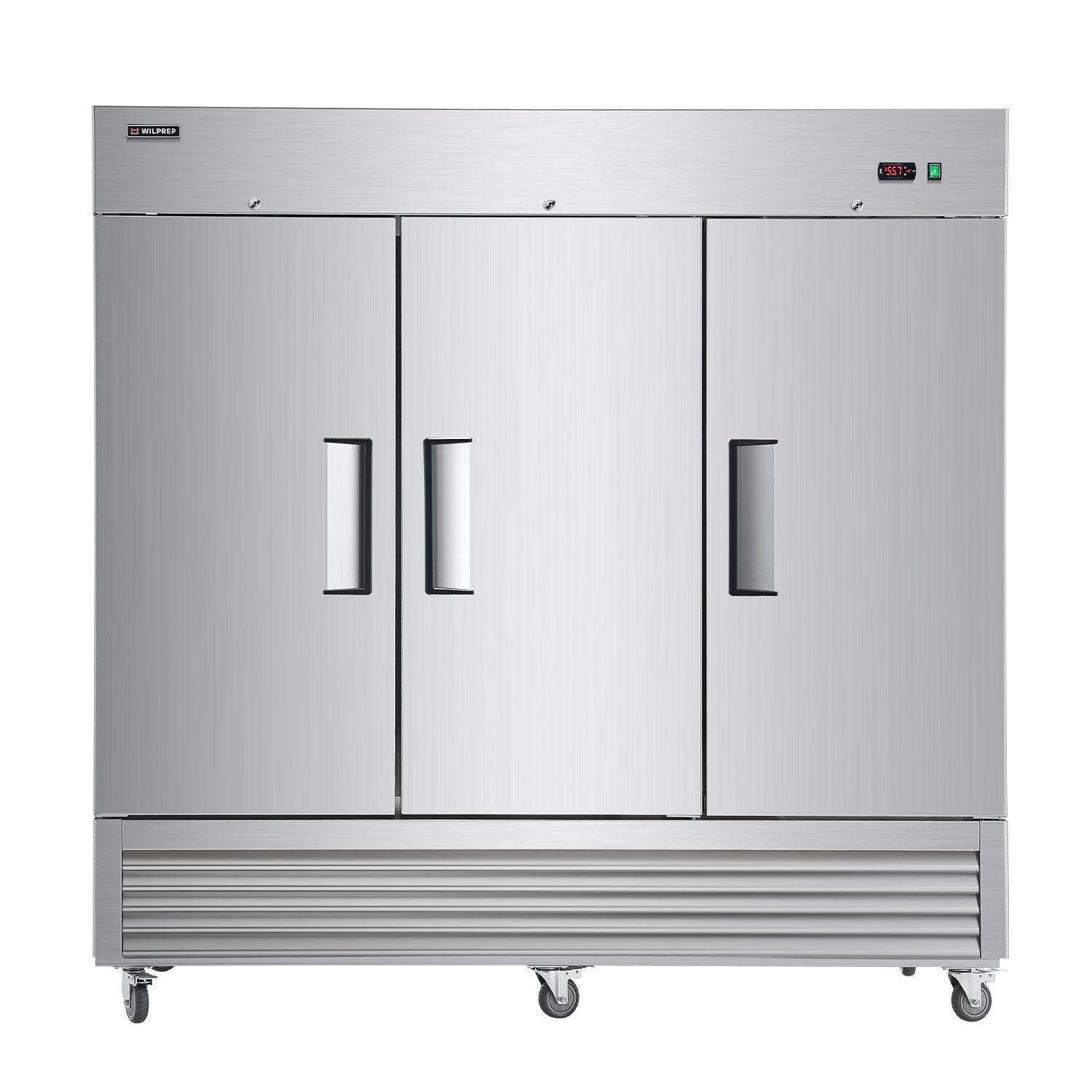
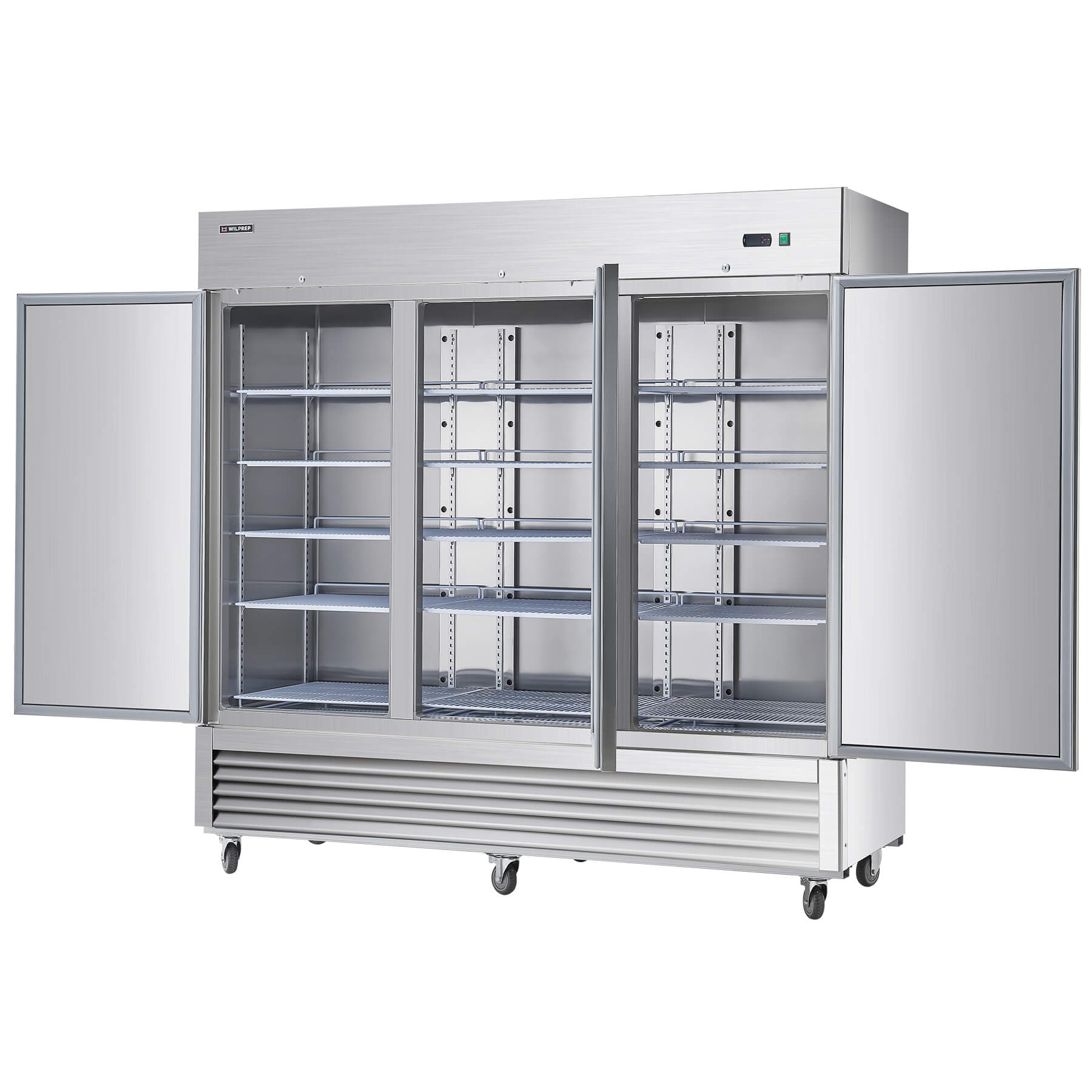 81"60.9 cu. ft.
81" Triple Door Commercial Freezer 60.9 cu. ft Capacity
- Regular price
- $2,999.00
- Sale price
- $2,999.00
- Regular price
-
$3,999.00
-
81" Triple Solid Door Reach-In Refrigerator, 72.8 cu. ft., UL Certified
 81"72.8 cu. ft.
81" Triple Solid Door Reach-In Refrigerator, 72.8 cu. ft., UL Certified
- Regular price
- $4,399.00
- Sale price
- $4,399.00
- Regular price
-
-
29" Single Glass Door Reach-In Refrigerator, 17.6 cu. ft., UL Certified

 29"17.6 cu. ft.
29" Single Glass Door Reach-In Refrigerator, 17.6 cu. ft., UL Certified
- Regular price
- $2,199.00
- Sale price
- $2,199.00
- Regular price
-
$1,999.00
-
54" Double Glass Door Reach-In Refrigerator, 35.5 cu. ft., UL Certified

 54"35.5 cu. ft.
54" Double Glass Door Reach-In Refrigerator, 35.5 cu. ft., UL Certified
- Regular price
- $2,999.00
- Sale price
- $2,999.00
- Regular price
-
-
29" Single Glass Door Reach-In Refrigerator, 23.3 cu. ft., UL Certified

 29"23.3 cu. ft.
29" Single Glass Door Reach-In Refrigerator, 23.3 cu. ft., UL Certified
- Regular price
- $2,299.00
- Sale price
- $2,299.00
- Regular price
-
$1,999.00
-
54" Double Glass Door Reach-In Refrigerator, 47 cu. ft., UL Certified
 54"47 cu. ft.
54" Double Glass Door Reach-In Refrigerator, 47 cu. ft., UL Certified
- Regular price
- $3,299.00
- Sale price
- $3,299.00
- Regular price
-


How to Choose a Commercial Reach-in Refrigerator?
Door Type
The type of door you choose for a reach-in refrigerator has a direct impact on energy efficiency, workflow, and overall usability.
Solid door reach-in refrigerators are the most common option in commercial kitchens because they provide superior insulation, helping maintain consistent internal temperatures while reducing energy consumption. They are also highly durable, making them well-suited for demanding, back-of-house environments where the unit is opened frequently throughout the day.
Glass door reach-in refrigerators, on the other hand, are ideal for front-of-house settings such as retail spaces, cafés, or display areas. Their transparent design allows staff to quickly locate items without opening the door, which can improve efficiency in fast-paced environments. While they may be slightly less energy-efficient than solid doors, their visibility can help reduce the frequency and duration of door openings.
Half doors offer a practical balance between accessibility and efficiency. By dividing the refrigerator into upper and lower sections, they allow staff to access only the portion they need, minimizing cold air loss. This design is especially useful in busy kitchens where different ingredients are stored in separate sections and accessed at different times.
Material and Construction
The materials used in a reach-in refrigerator play a major role in its durability, hygiene, and long-term performance. Stainless steel is widely considered the best option for commercial environments because it is highly resistant to corrosion, rust, and impact.
Aluminum, by contrast, is a more budget-friendly alternative often used for interiors or less demanding applications. While it is lightweight and cost-effective, it is also softer and more prone to dents, scratches, and general wear.
Energy-efficient
Choosing an energy-efficient reach-in refrigerator can significantly reduce your long-term operating costs, which is why it’s important to prioritize models certified by ENERGY STAR.
These units are designed to meet strict efficiency standards set for commercial equipment, meaning they use less electricity while maintaining consistent cooling performance. In a busy kitchen where refrigeration runs 24/7, even small improvements in energy efficiency can translate into substantial savings over time.
Size
When choosing a reach-in refrigerator, start by carefully measuring your available space. This includes not only the area where the unit will sit, but also doorways, hallways, and any tight corners it must pass through during installation.
Proper clearance is essential—leave at least 3–5 inches around the unit to ensure adequate airflow and efficient operation. Without sufficient ventilation space, the refrigerator may overheat, leading to higher energy consumption and potential mechanical issues over time.
Capacity
Capacity should be selected based on your storage needs and business volume. Single-door reach in refrigerators, typically ranging from 12 to 28 cubic feet, are ideal for small cafés, food trucks, or operations with limited space.
2-door reach in refrigerators, offering around 47 to 55 cubic feet, are the most popular choice for mid-sized restaurants because they strike a good balance between storage capacity and footprint.
For high-volume kitchens such as busy restaurants, hotels, or catering businesses, 3-door reach in refrigerators—generally ranging from about 72 to over 80 cubic feet—provide the large storage capacity needed to handle bulk inventory efficiently.
Compressor Location
Top-mounted compressors are a practical choice for hot, greasy kitchen environments. Because they sit above the unit, they draw in cooler, cleaner air from higher up rather than pulling in heat, dust, and debris from the floor. This helps maintain more consistent performance in demanding conditions and reduces the risk of clogging from grease buildup.
Bottom-mounted compressors, on the other hand, are valued for their convenience and ease of maintenance. Positioned closer to the floor, they are typically easier to access for cleaning and servicing. They also raise the lowest shelf to a more comfortable height, making it easier for staff to load and retrieve items without excessive bending, which can improve day-to-day workflow in busy kitchens.
Benefits of Commercial Reach-In Refrigerator
Versatility Across Applications
Commercial reach-in refrigerators are suitable for a wide range of settings, including restaurants, cafés, bakeries, supermarkets, and hotels. With various configurations and features available, they can be tailored to meet different operational needs, making them a flexible and essential piece of equipment in any food service business.
Food Safety and Hygiene
These refrigerators are designed with food safety in mind. Easy-to-clean surfaces, proper airflow, and precise temperature controls help maintain hygienic conditions and comply with health regulations. This is essential for protecting both customers and business reputation.
Energy Efficiency
Many modern units are designed with energy-saving features such as high-efficiency compressors, LED lighting, and improved insulation. Models certified by ENERGY STAR can further reduce electricity consumption, helping businesses lower utility costs over time.
Heavy-Duty Use
Constructed with robust materials like stainless steel, commercial reach-in refrigerators are built to withstand constant use in fast-paced environments. They resist corrosion, dents, and wear, ensuring long-term reliability even under heavy workloads.
Consistent Temperature Control
Commercial reach-in refrigerators are designed to maintain precise and stable temperatures, even in demanding kitchen environments. This consistency is critical for food safety, as it helps prevent spoilage and keeps ingredients fresh for longer periods. Advanced cooling systems and efficient air circulation ensure that all areas inside the unit remain evenly chilled.
Large Storage Capacity
One of the biggest advantages is their generous storage space. Available in one-, two-, and three-door configurations, these refrigerators can accommodate a wide range of ingredients, from fresh produce to prepared foods. This makes them ideal for restaurants, catering businesses, and other high-volume operations that require organized, bulk storage.
Improved Kitchen Efficiency
Reach-in refrigerators are built for convenience and speed. Adjustable shelves, easy-access doors, and well-organized interiors allow staff to quickly locate and retrieve items, reducing downtime during busy service hours. This improved workflow can significantly enhance overall kitchen productivity.
FAQs
Wilprep offers a wide range of UL-certified reach-in refrigerators, including single-door, two-door, and three-door models designed for different kitchen sizes and storage needs. These units are built with stainless steel construction, commercial compressors, and energy-efficient cooling systems, making them suitable for restaurants, cafés, and food service businesses that need consistent performance and durability.
The proper temperature for a reach-in refrigerator is typically set at 34°F to 40°F (1°C to 4°C) to ensure food safety and optimal freshness. Most food safety guidelines, including those from the U.S. food industry standards, recommend keeping refrigerators at or below 40°F (4°C) to slow bacterial growth and prevent foodborne illness. Within this range, around 37°F (3°C) is often considered ideal because it is cold enough to preserve perishable items like meat, dairy, and produce while avoiding freezing.
The efficiency of a reach-in refrigerator is influenced by several key factors, including proper airflow and ventilation, compressor quality and placement, door usage, internal loading, ambient kitchen temperature, and regular maintenance.
Adequate clearance around the unit allows heat to dissipate effectively, while a high-quality, well-maintained compressor ensures stable cooling with lower energy consumption.
Frequent door openings or damaged door gaskets can cause cold air loss and force the system to work harder, reducing efficiency.
Inside the unit, overloading or poor organization can block airflow and create uneven temperatures, while high surrounding heat from kitchen equipment can further strain performance.
In addition, dirty condenser coils or lack of routine maintenance can significantly reduce cooling efficiency and increase operating costs over time.
For a commercial reach-in refrigerator, you generally need more space than just its physical footprint to ensure proper installation and efficient performance. In most cases, you should allow at least 3 to 5 inches (7–13 cm) of clearance on the sides and back of the unit for proper airflow, as well as a few inches above the refrigerator to help heat dissipate from the compressor system. This ventilation space is essential—without it, the unit can overheat, work harder, and consume more energy.
The main difference between top-mount and bottom-mount reach-in refrigerators lies in where the compressor is located, which affects performance, maintenance, and everyday usability.
A top-mount reach-in refrigerator has its compressor installed on the top of the unit. This design is especially useful in hot or greasy kitchen environments because it draws in cooler air from above and keeps the condenser away from floor-level dust, grease, and debris. As a result, top-mount systems often require less frequent cleaning and perform more reliably in high-heat conditions such as busy restaurant kitchens.
A bottom-mount reach-in refrigerator, on the other hand, places the compressor at the bottom of the unit. This makes the lower shelves easier to access, as they are positioned higher off the ground, which can improve ergonomics for staff who frequently reach for stored items. Bottom-mount models are also generally easier to service and clean since the compressor is more accessible. However, because they pull in warmer air from the floor level, they may be slightly less efficient in very hot or dirty kitchen environments.
If your business has low to moderate storage requirements and a well-organized system for frequent restocking, multiple reach-in units may work as a substitute. However, for high-volume kitchens or operations that require storing large shipments of ingredients, a walk-in refrigerator is still necessary for efficiency and compliance with food storage needs.
A single-door reach-in refrigerator is usually about 27 to 36 inches wide, 30 to 35 inches deep, and 82 to 84 inches tall. These compact units are designed for smaller kitchens or as supplemental storage.
A two-door reach-in refrigerator, the most common configuration in commercial kitchens, typically measures around 52 to 60 inches wide, with similar depths of 30 to 35 inches and a standard height of 82 to 84 inches. This size offers a good balance between storage capacity and efficient use of floor space.
A three-door reach-in refrigerator is significantly larger, usually ranging from 75 to 90 inches wide, while maintaining the same depth and height as smaller models. These units are used in high-volume kitchens where large-scale storage is required.
The average lifespan of a reach-in refrigerator is typically 10 to 15 years, although this can vary depending on build quality, usage intensity, and how well the unit is maintained.
A walk-in refrigerator is a large, room-sized cold storage unit that allows staff to physically enter and store bulk quantities of food, making it ideal for high-volume operations like restaurants, hotels, and catering facilities, while a reach-in refrigerator is a smaller, upright unit designed for quick access to frequently used ingredients without entering the space.
Walk-in refrigerators are primarily used for long-term and large-scale inventory storage, helping businesses manage stock efficiently and reduce frequent deliveries, whereas reach-in refrigerators are placed directly in kitchen work areas to support daily food preparation with fast, convenient access.
A merchandiser refrigerator and a reach-in refrigerator differ mainly in purpose, design, and how they are used in commercial settings. A merchandiser refrigerator is designed for product display and customer visibility, typically featuring glass doors and interior lighting so beverages, packaged foods, or grab-and-go items can be easily seen and selected by customers. It is commonly used in retail environments such as convenience stores, supermarkets, and cafés where boosting sales through visual presentation is important.
In contrast, a reach-in refrigerator is designed primarily for back-of-house food storage and kitchen efficiency. It usually has solid or glass doors and is used by staff to store and quickly access ingredients during food preparation. Its focus is on maintaining food safety, organization, and operational efficiency rather than displaying products.
A reach-in refrigerator is used to provide convenient, accessible, and reliable cold storage for perishable food and beverages in commercial kitchens and food service environments.
Its main purpose is to maintain safe and consistent temperatures to preserve food freshness, slow bacterial growth, and reduce spoilage, helping businesses meet food safety standards and minimize waste.
Positioned for quick access, it allows chefs and kitchen staff to efficiently store, organize, and retrieve ingredients during busy service periods, improving overall workflow and productivity.