Growing a restaurant isn’t just about getting more people through the door; it’s about increasing consistent, repeatable sales without sacrificing quality or burning out your team. Your goal when trying to grow a restaurant business should always be simple: maximize revenue per customer, increase customer frequency, and improve operational efficiency at the same time.
Approaching restaurant growth this way is smart because you are not just chasing busy days; you are setting the foundation for a restaurant that performs well every day.

1. Use Social Media Strategies That Actually Drive Sales
If you leverage social media and use it correctly, it can become one of the most powerful tools for bringing in daily customers to your restaurant. The "YouTube effect", for example, is changing the restaurant industry.
The key is to be consistent in posting content, make use of short-form video (that's what everybody is watching these days), and promote potentially attractive or interesting activities/events going on at your restaurant.
i. Post Content That Triggers Cravings
People eat with their eyes first, and this can give a unique advantage to a restaurant. The best restaurant social media post ideas involve close-up shots of your best-selling dishes, show “food in action” (cheese pulls, sizzling grills, pouring sauces), and use natural lighting and simple backgrounds. The objective here is to transmit the appeal of your food, so potential customers can have an experience without coming to the restaurant.
ii. Encourage Satisfied Customers to Post About Your Restaurant
Nowadays, one of the things people post about the most is the food they are eating, and there is a very good chance that the customers eating in your restaurant are already posting about the food. Encourage them to tag your restaurant in the posts and mention its location.
You can consider giving some gifts to satisfied customers to make social media posts. Remember, these posts are most likely to be seen by family and friends, and there is a good chance that a customer’s family and friends will like the same kind of food they like.
iii. Use Short-Form Video (Reels/TikTok)
There have been many cases of short videos going viral, getting significant reach, and helping restaurants find customers. The key to remember here is that the post need not go viral internationally: it only has to go viral locally, within your area or state.
Try filming quick restaurant reels of food prep, plating, or customer reactions, keep videos under 15 seconds, and use trending sounds, but keep focus on your food.
You can also try linking your restaurant to positive and viral food-related news going around in your area. These posts are likely to get more reach based on the traffic generated by the stories or news events.
iv. Promote Limited-Time Offers
Scarcity creates urgency, and social media is an excellent avenue to turn that urgency into restaurant sales. People are more likely to visit if they feel they might miss out. Here are some strategies you can try:
- Introduce “Weekend Specials” or “Chef’s Picks.”
- Promote them heavily on Instagram and Facebook stories
- Add a countdown or “while supplies last” messaging.
v. Engage With Your Audience on Social Media
Engagement increases visibility and builds loyalty. Respond to comments and DMs quickly, repost customer photos and tag them, and run polls (“Which new flavor should we launch?”). Your objective here is to make customers feel like members of a community, which not only helps strengthen the connection existing customers have with your restaurant but also helps create new ones.

2. Optimize Your Restaurant Website To Convert Visitors Into Customers
Restaurant websites are a must, no matter the size of the restaurant. A restaurant website should be specifically designed to do one thing: turn visitors into paying customers. To achieve this, you need to optimize it for online ordering, use a proper menu design, and add customer experiences and reviews.
i. Optimizing Your Restaurant Website for Online Ordering
The easier it is to order from your restaurant website, the more orders you’ll get, especially from mobile users. Here are some strategies to try:
- Add a clear “Order Now” button on the homepage
- Ensure the ordering process takes as few steps as possible
- Make your site mobile-friendly
ii. Use High-Converting Menu Design
A well-designed menu can increase average order value. Highlight high-margin items with photos. Use simple descriptions that emphasize taste and experience, and bundle items into combos.
iii. Add Customer Reviews and Testimonials
Social proof builds trust and reduces hesitation. Feature real customer reviews on your restaurant website's homepage, include photos if possible, and highlight your best ratings.
iv. Improve Local SEO
Most customers search for restaurants that are nearby. In fact, most people, when deciding where to eat, usually have an idea of what they want and know that they want it as close by as possible. Make sure the keywords on your website cover that: use keywords like “best xxx food near me” on your site.
Also, remember to keep your business info consistent across platforms. Update your hours and contact details regularly.
 3. Make Partnerships That Bring in More Customers
i. Collaborate With Local Businesses
Collaborating with local businesses allows you to tap into an existing customer base and increase your sales. Partner with gyms, offices, or co-working spaces that draw in many people, offer exclusive discounts for their members, and cross-promote on social media.
ii. Work With Food Delivery Platforms
Working with food delivery platforms expands your reach beyond walk-in customers. List your restaurant on major delivery apps, optimize your menu for delivery (fast, travel-friendly items), and use promotions to boost visibility.
iii. Partner With Influencers
Local influencers can drive immediate traffic. Invite food bloggers for free tastings. Encourage honest reviews and content creation, and focus on local micro-influencers for better engagement.
4. Leverage Marketing Strategies That Increase Restaurant Revenue
Marketing isn’t just about awareness; it should directly lead to more sales. To increase restaurant sales, you can go for promotions, programs, or targeting clients directly.
i. Run Targeted Promotions
Promotions give customers a reason to choose you now. Offer weekday discounts to boost slow days, create family or group deals, and promote through email and social media.
ii. Build an Email List
Using email is a little outdated, but still effective in that it gives you direct access to your customers without relying on algorithms. You can build an email list by:
- Collecting emails through your website or in-store
- Offering a discount for signing up
- Sending weekly updates, deals, and new menu items.
iii. Use Loyalty Programs
Loyalty programs at restaurants encourage repeat visits and increase customer lifetime value. To maximize this strategy, consider the following tips:
- Offer points for every purchase
- Give rewards after a certain number of visits
- Use simple digital loyalty apps
5. Improve Your In-House Operations
Sometimes, the fastest way to grow your business is to fix what’s happening inside. Usually, this includes optimizing your service, improving customer experience, and increasing the value the customer gets every time.
i. Speed Up Service
Faster service means more customers served, and happier ones. To speed up your service, you can streamline your kitchen workflow, prep ingredients ahead of peak hours, and train your employees for efficiency.
ii. Improve Customer Experience
Happy customers come back, and usually bring others with them. The key is to focus on friendly, attentive service, keep your space clean and inviting, and handle complaints quickly and professionally.
ii. Increase Average Order Value
You make more money without needing more customers. Train staff to upsell (drinks, sides, desserts), use combo deals, and highlight premium items.

6. Upgrade Equipment to Increase Efficiency and Sales
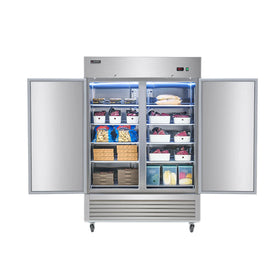
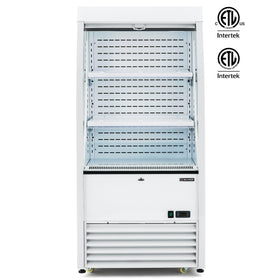
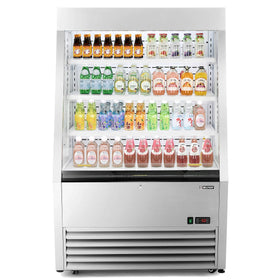
Equipment isn’t just an expense; it’s an investment that can directly impact your revenue.
i. Upgrade to Faster Cooking Equipment
Better restaurant cooking equipment reduces wait times and increases output during peak hours. Invest in high-efficiency commercial fryers or ovens, and use storage equipment that maintains consistent temperatures. This reduces bottlenecks in your kitchen.
ii. Improve Food Quality Consistency
Consistency builds trust and repeat business. Get and use equipment with precise controls, standardize cooking processes, and train staff to use equipment correctly. Consider equipment like Wilprep's gas deep fryers, for example, which feature a millivolt control thermostat, allowing you to adjust temperatures from 200-400°F. It automatically cuts off the gas supply at 450°F to ensure your safe operation.
iii. Expand Your Menu With the Right Tools
More options can attract a wider audience. Add equipment that supports new menu items (e.g., grills, blenders, warmers). Test new dishes before fully launching them, and focus on items with high margins.
To expand your menu, you might want to upgrade to convection ovens. With Wilprep's commercial convection ovens, you can switch the convection fan between 2 modes (cook and cool modes) and 2 speeds (high and low) to ensure fast, even heating across a variety of recipes. Much more than you'd be able to achieve with a regular oven.
Final Thoughts on Growing Your Restaurant Business
Growing your restaurant business isn’t about one big change; it’s about stacking small, smart improvements across every part of your operation. Use social media to attract attention, optimize your website to convert customers, build partnerships to expand your reach, run marketing that drives real sales, improve operations to handle growth, and upgrade equipment to scale efficiently
When all these pieces work together, growth stops being unpredictable and starts becoming something you can control. Explore some more secrets on how restaurants make money.