Refrigerators are one of the most essential appliances in any home, running continuously day and night to keep food fresh and safe. Because of this constant operation, one of the most common questions homeowners ask is: how long do refrigerators actually last?
While some units may start showing issues within a decade, others can perform reliably for much longer with proper care. Understanding the lifespan helps you plan replacements wisely and avoid unexpected breakdowns.
How Long Do Refrigerators Last on Average?
On average, most refrigerators last 10 to 20 years, but the exact lifespan depends on the type of fridge, build quality, and how well it is maintained.
In general, simpler models tend to last longer. For example, basic top-freezer refrigerators often reach 15–20 years, while more complex designs like French-door or side-by-side units usually last around 8–15 years due to additional features and components such as ice makers, electronic controls, and dual cooling systems.
Premium or built-in refrigerators can sometimes last even longer—often 20+ years—because they are built with higher-quality materials and designed for long-term installation rather than frequent replacement.
Refrigerator Lifespan by Brand
Refrigerator lifespan varies widely by brand, but most fall within the 10 to 20-year range depending on build quality, technology, and maintenance. Premium brands such as Sub-Zero and Bosch tend to last the longest, often exceeding 18–20 years, while mainstream brands like Whirlpool, GE, and Maytag typically offer strong durability in the 12–18 year range.
Brands with more advanced electronic features, such as LG and Samsung, may have slightly shorter average lifespans (around 10–15 years), not necessarily due to poor quality, but because increased complexity can introduce more potential points of failure over time.
|
Brand |
Average Lifespan |
|
Sub-Zero |
18–25 years |
|
Bosch |
14–20 years |
|
KitchenAid |
13–20 years |
|
Whirlpool |
12–18 years |
|
GE Appliances |
12–18 years |
|
LG |
10–18 years |
|
Samsung |
10–15 years |
|
Frigidaire |
10–15 years |
|
Maytag |
12–17 years |
|
Haier |
8–12 years |
Lifespan by Refrigerator Type
Refrigerator lifespan varies significantly depending on design, complexity, and usage conditions. Simpler models like top-freezer refrigerators tend to last the longest, often reaching up to 20 years or more, while compact and highly feature-rich designs such as French door or side-by-side units generally have shorter lifespans due to more components and heavier daily use. Built-in and premium models can also offer excellent longevity, sometimes exceeding two decades, especially when properly maintained.
-
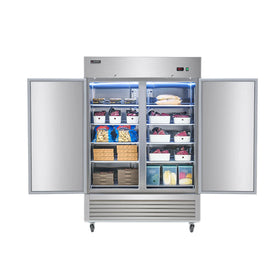
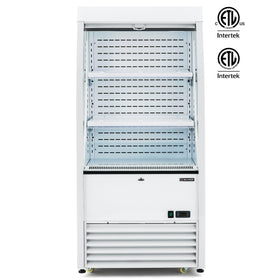
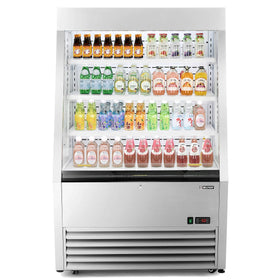
Commercial refrigerators

Commercial refrigerators, such as display refrigerators, reach-in refrigerators, prep table refrigerators and so on, typically last 10 to 20 years, depending on their type, usage intensity, and maintenance quality.
Heavy-duty units used in restaurants, hotels, and grocery stores often run 24/7 under high load, so their lifespan is more closely tied to maintenance than residential models.
Well-maintained, high-quality commercial walk-in coolers or reach-in refrigerators can sometimes exceed 20 years, while lower-end or poorly maintained units may fail in under 10 years.
-
Built-in refrigerators: 20–25 years
Built-in refrigerators are designed for long-term installation and are typically integrated into kitchen cabinetry. Because they use higher-quality components and are built for stability rather than portability, they tend to last the longest.
-
Top-freezer refrigerators: 15–20 years
This classic design is one of the most durable and energy-efficient types. With the freezer located on top, the cooling system is relatively simple, which helps reduce mechanical strain over time. Many households choose this model for its reliability and long service life with minimal repairs. -
Bottom-freezer refrigerators: 13–17 years
Bottom-freezer models offer more convenience for fresh food access at eye level, but their added drawer mechanisms and more complex cooling distribution systems can slightly reduce longevity compared to top-freezer units. Still, with proper care, they remain a dependable mid-to-long lifespan option. -
French door refrigerators: 10–15 years
French door refrigerators are popular for their modern design and spacious layout. However, they come with more advanced features like dual cooling systems, ice makers, and electronic controls, which can increase wear over time. These added conveniences often mean a slightly shorter average lifespan. -
Side-by-side refrigerators: 8–14 years
Side-by-side models split the fridge and freezer vertically, offering easy access to both sections. While convenient, they typically have more moving parts and water/ice dispenser systems, which can be prone to issues. This complexity often results in a shorter average lifespan compared to simpler designs. -
Compact/Mini refrigerators: 4–12 years
Compact and mini fridges vary widely in quality. Budget models may last only a few years, while higher-end compact units used in offices or dorms can last much longer. Because they often run continuously in small, confined spaces, wear and tear can occur faster than in full-size refrigerators.
Tips to Maximize Your Refrigerator Lifespan
-
Clean Coils Regularly
Vacuum or brush the condenser coils at least twice a year (or more often if you have pets or a dusty environment). Dirty coils force the compressor to work harder, which increases energy use and shortens the refrigerator’s lifespan. Keeping them clean helps maintain efficient cooling and reduces long-term wear. -
Keep the Door Gaskets Clean
Inspect the rubber door seals regularly to ensure they are clean, flexible, and airtight. Weak or damaged gaskets allow cold air to escape, causing the compressor to cycle more frequently. Cleaning them with warm soapy water and replacing worn seals promptly can significantly improve efficiency. -
Proper Placement
Avoid placing your refrigerator in direct sunlight, near ovens, or next to other heat-producing appliances. Excess heat forces the system to run continuously, increasing strain on internal components. Also make sure there is adequate space around the back and sides for proper ventilation and heat dissipation. -
Keep the Refrigerator Reasonably Full
A moderately stocked fridge maintains temperature more efficiently than an empty one because stored items help retain cold air. However, avoid overfilling, as this can block airflow and make cooling less effective. Aim for a balanced load for optimal performance. -
Stable Temperature Settings
Keep your refrigerator at around 3–5°C (37–41°F) and the freezer at -18°C (0°F). Extreme settings force the compressor to work harder than necessary, reducing lifespan over time. Temperature for a Commercial Refrigerator or Freezer
-
Limit Door Openings
Frequent or prolonged door openings let warm air in, forcing the compressor to compensate repeatedly. Organizing items so they are easy to find helps reduce unnecessary opening time.
How to Choose a Long-Lasting Refrigerator
Choosing a refrigerator that lasts isn’t about chasing the newest features—it’s about prioritizing reliability, simplicity, and build quality. A smart purchase today can save you years of repair costs and frustration later.
Look for dual cooling systems
Refrigerators with separate cooling systems for the fridge and freezer help maintain stable temperatures and reduce strain on the compressor. This improves efficiency and can extend the overall lifespan of the appliance.
Choose durable materials
Opt for models with stainless steel interiors and exteriors where possible. Stainless steel is more resistant to wear, odor retention, and cracking compared to plastic-heavy designs, making it a better long-term investment.
Prioritize energy-efficient models
Energy-efficient refrigerators are designed to run more smoothly and cycle less frequently. Reduced compressor workload means less wear and tear, which directly contributes to a longer service life.
Prefer simpler designs
The fewer mechanical and electronic components a refrigerator has, the fewer things can break. Simple top-freezer or well-designed bottom-freezer models often last longer than highly complex French-door units with multiple systems.
Check warranty length and coverage
A longer warranty is often a sign of manufacturer confidence in product durability. Pay attention not just to duration, but also what is covered—especially compressors, which are one of the most critical components.
How Do I Know If I Need a New Refrigerator?
You likely need a new refrigerator when it starts showing consistent performance problems, rising energy costs, or costly repair issues. While minor issues can often be fixed, repeated or major failures usually signal that the appliance is nearing the end of its life.
1. Your refrigerator is over 10–15 years old
Even if it still works, older refrigerators naturally lose efficiency over time. Components wear down, and newer models are often much more energy-efficient.
2. Food is spoiling faster than normal
If milk, vegetables, or leftovers are going bad sooner than expected, your fridge may no longer be maintaining a stable temperature.
3. Inconsistent or incorrect temperatures
Fluctuating temperatures, warm spots in the fridge, or freezer items that are partially thawing are strong signs of system failure.
4. Excessive noise or constant running
Loud humming, clicking, or a compressor that seems to run nonstop can indicate mechanical strain or aging components.
5. Excess moisture or frost buildup
Water leaks, condensation (“sweating”), or frost forming in unwanted areas often point to failing seals or cooling issues.
6. Frequent repairs
If you’re calling for service multiple times in a short period, the cost of repairs may outweigh the value of keeping the unit.
7. Expensive repair estimates
If fixing your refrigerator costs more than 50% of a new one, replacement is usually the smarter financial choice.
8. Rising electricity bills
Older or failing refrigerators often consume more energy as they struggle to maintain cooling efficiency.
Final Words
On average, refrigerators last between 10 and 20 years, but their true lifespan depends heavily on the model type, brand quality, and maintenance habits. Simpler designs like top-freezer models tend to last longer, while feature-rich styles such as French-door or side-by-side refrigerators may wear out sooner due to added complexity. Premium brands and well-maintained units can often exceed expectations and serve households for two decades or more.
FAQ
Is it worth repairing a 10-year-old fridge?
In general, a good rule of thumb is the 50% rule: if the repair costs more than half the price of a new refrigerator, replacement is usually the better option.
When should you replace a refrigerator?
A common guideline is that once a refrigerator is over 10–15 years old, it is more likely to experience declining efficiency and frequent mechanical issues. At this stage, even if it is still functioning, it may no longer be the most cost-effective option.
How can you tell if your refrigerator is going bad?
Your refrigerator is likely going bad if you notice temperature issues, unusual noise, moisture problems, or rising energy use, especially if it’s already more than a decade old. Catching these signs early helps you decide whether a repair or replacement is the better option.
What is the most common fridge failure?
The most common refrigerator failure is a dirty or failing condenser coil system, which leads to poor cooling performance and unnecessary strain on the compressor.
What to throw out when the fridge goes out?
As a general rule, if the fridge has been warm for more than 4 hours, most perishable foods like meat, dairy, and leftovers should be discarded.