Shrimp generally has a very short shelf life and will go bad quickly if not stored properly or stored for too long. Raw shrimp can last for a maximum of 2 days in the fridge, and that is only if you store it in an airtight container at a temperature below 40°F (4°C).
Cooked shrimp(fried or boiled) lasts a day or two longer (3-4 days), but the most effective way to ensure your shrimp lasts longer is to freeze it.
In this guide, we’ll answer all your shrimp storage questions so you can keep your seafood fresh, safe, and delicious!

How Long Does Shrimp Last in the Fridge?
According to the FDA and USDA, Raw shrimp does not last very long in the refrigerator because it is highly perishable. When stored properly at or below 40°F (4°C), raw shrimp is generally safe to eat for about 1 to 2 days. After this short window, the risk of bacterial growth increases quickly, even if the shrimp still looks fine.
Cooked shrimp lasts a bit longer in the fridge. Once prepared, it can typically be stored for about 3 to 4 days in an airtight container. Keeping it well-sealed helps maintain freshness and reduces the chance of it absorbing other odors from the fridge.
Shrimp Shelf Life Clock
|
Shrimp Type |
Fridge (33°F - 40°F) |
Freezer (0°F or below) |
|
Raw Shrimp |
1 - 2 Days |
3 - 6 Months |
|
Cooked/Boiled/Fried |
3 - 4 Days |
2 - 3 Months |
|
Thawed (Raw) |
1 - 2 Days |
Do not refreeze raw |
|
Thawed (Cooked) |
3 - 4 Days |
2 - 3 Months |
How Long Can Raw Shrimp Stay in the Fridge: 1 to 2 Days
Raw shrimp lasts about 1-2 days in the fridge if you store it in an airtight container or its original packaging at 40°F (4°C) or below.
If you do not intend to cook the raw shrimp within 1-2 days, freeze them immediately to extend their shelf life.
To ensure your raw shrimp retains its freshness in the fridge, place it on a plate with ice, and loosely cover it with a plastic wrap
How Long is Cooked Shrimp Good for in the Fridge: 3 to 4 Days
Cooked shrimp can last about 3 to 4 days in the fridge when stored in a sealed, airtight container at or below 40°F (4°C). Proper sealing helps prevent the shrimp from drying out and also stops it from absorbing other odors from the refrigerator.
When reheating cooked shrimp, it’s best to avoid using a microwave if possible, as it can make the texture rubbery and dry. Instead, gently warm it in a pan, oven, or air fryer to help preserve its taste and texture.
Boiled and Fried Shrimp: Storage Tips
Boiled shrimp also lasts 3 to 4 days in the fridge when properly stored in an airtight container. For extra freshness, you can keep it in the cooking water before refrigerating, then drain it before reheating to maintain better moisture and flavor.
Fried shrimp has the same storage window of 3 to 4 days, but it will gradually lose its crispiness in the fridge. To restore texture, reheat it in an air fryer or oven at about 375°F (190°C) for 5–7 minutes, which helps bring back some of the original crunch.

How Long Can Thawed Shrimp Stay in the Fridge?
If you’ve thawed shrimp and aren’t cooking it right away, it’s important to know that it can only last about 2-4 days depending on whether it is thawed raw shrimp or thawed cooked shrimp.
- Thawed Raw Shrimp (from frozen): 1 to 2 days in the fridge
- Thawed Cooked Shrimp (from frozen): 3 to 4 days in the fridge
Thawed Shrimp Storage Tips
✅ Always thaw shrimp in the fridge, never at room temperature.
✅ Do not refreeze raw shrimp after thawing unless it was thawed in the fridge.
✅ If shrimp was thawed using cold water or a microwave, cook it immediately—it cannot be safely stored in the fridge.
Can You Freeze Shrimp?
You can absolutely freeze your shrimp. In fact, freezing shrimp is the best way to keep it fresh longer. If stored properly, frozen shrimp retains its taste and texture for months depending on whether it is thawed or cooked.
- Raw Shrimp (Frozen): 3 to 6 months for the best quality
- Cooked Shrimp (Frozen): 2 to 3 months for the best quality
How to Freeze Shrimp the Right Way
To prevent freezer burn and preserve freshness of your fridge, follow these steps when freezing your shrimp:
✅ Use an airtight container or vacuum-sealed bag to prevent moisture loss.
✅ Remove excess air before sealing. If using a freezer bag, press out as much air as possible.
✅ Label the bag with the freezing date so you know when to use it.
✅ For raw shrimp, peel and devein before freezing for easy meal prep later.
Can You Refreeze Shrimp?
It is possible to refreeze shrimp, but only if it was thawed properly in the fridge and has been kept cold. Refreezing shrimp may affect its texture, making it slightly mushy due to moisture loss.
If you need to refreeze, it’s better to cook the shrimp first, then freeze it cooked.
Follow these tips:
✅ If shrimp was thawed in the fridge and has been kept cold, it is safe to refreeze within 1–2 days.
❌ If shrimp was thawed in cold water or a microwave, do not refreeze it raw—you must cook it first before freezing again.

How to Tell if Shrimp Has Gone Bad
Before cooking shrimp, always check for signs of spoilage. Here’s how to tell if shrimp has gone bad:
- Freezer Burn: White or grayish dry spots on shrimp indicate freezer burn.
- Strong Odor: Bad shrimp smells sour, like ammonia, or overly fishy—this means it’s spoiled.
- Discoloration: If raw shrimp has black spots, faded colors, or turns opaque, it’s likely spoiled. If cooked shrimp has turned green or blue, don’t eat it!
- Slimy or Sticky Texture: If fresh shrimp is mushy or leaves a sticky film on your hands, it’s bad.
- Large Ice Crystals or Clumping: If shrimp is covered in large ice chunks or clumped together, it may have thawed and refrozen, which can lead to spoilage.
If you notice any of these signs, don’t take risks—throw the shrimp away!

How to Thaw Shrimp Properly (Without Ruining It!)
To keep shrimp fresh and avoid bacteria growth, use one of these safe thawing methods:
✅ Best Method: Thaw in the fridge overnight (8–12 hours). This keeps it at a safe temperature and prevents bacteria growth.
✅ Quick Method: Thaw in cold water (30–45 minutes). Place shrimp in a sealed plastic bag and submerge it in cold water, changing the water every 15 minutes.
Avoid These Methods
- Microwave thawing—can make shrimp rubbery and unevenly cooked.
- Thawing at room temperature—leads to bacteria growth and increases the risk of foodborne illness.
Final Thoughts: Keep Your Shrimp Fresh and Delicious!
Remember these tips when storing your shrimp in the fridge. They will help you store it properly and avoid spoilage:
- Store raw shrimp in the fridge for no more than 2 days.
- Cooked shrimp lasts 3–4 days in the fridge.
- Thawed shrimp lasts 1–2 days (raw) or 3–4 days (cooked).
- Freeze shrimp if you don’t plan to use it soon—raw shrimp lasts up to 6 months frozen!
- Check for bad smells, discoloration, or freezer burn before eating.
By following these simple storage and safety tips, you’ll always have fresh, delicious shrimp ready for your next meal.
Scaling Up? The Best Commercial Cold Storage for Seafood
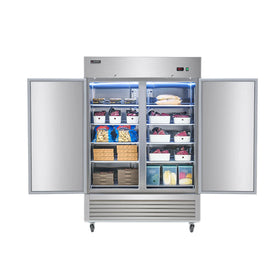
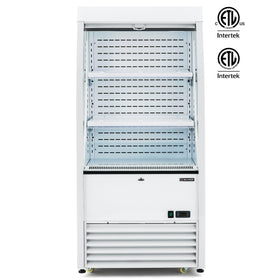
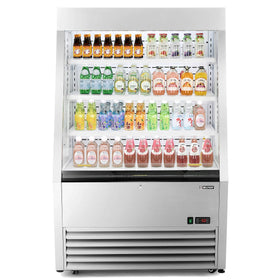
If you run a restaurant, seafood market, or commercial kitchen, keeping large batches of shrimp at precise temperatures is critical for food safety and profit margins. Standard residential fridges won't cut it. Here is how Wilprep’s Commercial Refrigerators can protect your seafood inventory:
1. 29" Single Solid Door Reach-In Refrigerator
The Wilprep 29" Single Solid Door Reach-In Refrigerator delivers heavy-duty commercial cooling performance in a compact, space-saving footprint. Boasting a generous 17.6 cu. ft. capacity and certified by UL for safety and quality, this commercial reach-in refrigerator is the ultimate cold storage solution for bustling restaurants, cafes, bakeries, and high-volume commercial kitchens.

2. 24" Single Glass Door Merchandiser Refrigerator
The Wilprep 24" Single Glass Door Display Refrigerator is the perfect blend of compact design and high-visibility marketing. Featuring a sleek glass front and a space-saving 24-inch footprint, this commercial display fridge is engineered to showcase beverages, grab-and-go meals, desserts, and fresh salads, making them utterly irresistible to your customers.