Cooked rice is a staple in many households, but it also happens to be one of the most time-sensitive leftovers when it comes to food safety. Knowing how long it stays good in the refrigerator is important. Because cooked rice can support bacterial growth if it’s not stored properly.
How Long is Cooked Rice Good for in the Refrigerator?
Cooked rice is generally safe to eat for about 3 to 4 days when stored properly in the refrigerator. Keeping rice refrigerated promptly after cooking is important because cooked rice can develop harmful bacteria if left at room temperature for too long.
To maintain freshness and food safety, store cooked rice in an airtight container and keep the refrigerator temperature at or below 40°F (4°C).
Why Proper Storage Matters
Cooked rice can contain bacteria called Bacillus cereus, which may survive the cooking process. If rice sits out too long before refrigeration, the bacteria can multiply and produce toxins that may cause food poisoning. Because of this, rice should usually be refrigerated within 1 to 2 hours after cooking.
Signs Your Cooked Rice Has Gone Bad
Cooked rice can spoil faster than many people expect, especially if it hasn’t been stored properly. Because cooked rice can support bacterial growth, it’s important to recognize the warning signs before eating it.
Sour or Off Odor
Fresh cooked rice should have a neutral or slightly starchy smell. If it develops a sour, musty, or unpleasant odor, it is likely spoiled.
This is often one of the earliest and most reliable signs that cooked rice is no longer safe to eat.
Texture Changes
Cooked rice that has gone bad may feel unusually sticky, slimy, or wet. This can indicate bacterial growth on the surface.
While dryness alone isn’t always a sign of spoilage, rice that has hardened into clumps and smells off should be discarded.
Visible Mold or Discoloration
Any visible mold—green, black, or white fuzzy patches—means the rice should be thrown away immediately.
Grayish, yellow, or odd discoloration can also indicate spoilage, especially when combined with other signs.
Bitter or Strange Flavor
Spoiled rice may taste sour, bitter, or “off.” However, you should avoid tasting rice if you already suspect it has gone bad, as harmful bacteria are not always detectable by taste.
Time and Storage Warning Signs
Cooked rice should not be left at room temperature for more than 1–2 hours. If it has been sitting out overnight, it should be discarded even if it looks fine.
Even in the fridge, cooked rice typically lasts only 3–4 days. Beyond that, the risk of bacterial growth increases significantly.
How Long Does Fried Rice Last without Refrigeration?
Fried rice should not be left unrefrigerated for more than 2 hours at room temperature. If the temperature is very warm, such as above 90°F (32°C), it should be refrigerated within 1 hour.
Rice can quickly become unsafe because cooked rice may contain bacteria called Bacillus cereus. Even after cooking, these bacteria can survive and multiply rapidly when rice is left sitting out for too long. Some strains can produce toxins that reheating may not destroy.
Fried rice often contains ingredients like eggs, meat, seafood, and vegetables, which can spoil faster than plain rice. Combined with warm temperatures, this creates an ideal environment for bacterial growth.
Leaving fried rice on the counter overnight is generally considered unsafe, even if it looks or smells normal.
Can You Store Uncooked Rice in the Fridge?
Yes, you can store uncooked rice in the fridge, although it is not always necessary. Most types of dry white rice store well in a cool, dry pantry for long periods. However, refrigeration can be a smart option if you live in a humid climate, want to prevent pantry pests, or are storing rice varieties that spoil more easily.
Keeping rice in the refrigerator helps protect it from moisture, insects, and temperature changes that may reduce freshness over time.
How to Store Uncooked Rice in the Fridge
If you decide to refrigerate uncooked rice, proper storage is important. Rice should always be kept in an airtight container or sealed bag to prevent moisture from getting inside.
-
Use Airtight Containers
Containers with tight-fitting lids help keep rice dry and protect it from absorbing odors from other foods in the refrigerator.
-
Avoid Moisture
Moisture is the biggest enemy of uncooked rice. If water or condensation gets into the container, mold can develop and ruin the rice.
-
Let the Container Reach Room Temperature Before Opening
When removing rice from the fridge, let the sealed container warm slightly before opening it. This helps prevent condensation from forming inside the container.
Does Cooked Rice in the Fridge Have a Lower Glycemic Index?
Yes — cooling cooked rice in the refrigerator can lower its glycemic impact compared to freshly cooked hot rice.
When rice is cooked and then cooled, part of the starch changes into something called resistant starch. Resistant starch is digested more slowly by the body, which can help reduce blood sugar spikes after eating.
How It Works
Freshly cooked rice contains more easily digestible starches. After refrigeration for several hours (typically overnight), some of those starches undergo a process called retrogradation, forming resistant starch.
This means:
-
Slower digestion
-
Lower post-meal blood sugar response
-
Increased feeling of fullness
-
Potential support for gut health
Does Reheating Remove the Benefit?
No — reheating cooled rice usually keeps much of the resistant starch intact, as long as the rice was cooled first.
So this sequence can help lower glycemic response:
-
Cook rice
-
Cool it in the fridge for several hours or overnight
-
Reheat and eat
Which Rice Works Best?
Some rice types naturally have a lower glycemic index than others.
Lower-GI options include:
-
Brown rice
-
Basmati rice
-
Parboiled rice
White short-grain rice generally has a higher GI, though cooling still helps somewhat.
How Long Does Cooked Rice Last without Refrigeration?
Cooked rice should not be left at room temperature for more than 1 to 2 hours. After this time, it becomes unsafe to eat because bacteria can multiply quickly. If the temperature is warm (above 90°F / 32°C), cooked rice should be refrigerated within 1 hour.
Cooked rice is especially risky when left out because it can contain spores of Bacillus cereus, a type of bacteria that survives cooking. When rice is left at room temperature, these spores can grow and produce toxins that may cause food poisoning. Even reheating the rice may not destroy these toxins once they have formed.
How Long Can You Freeze Cooked Rice?
According to U.S. Department of Agriculture, cooked rice can be safely frozen for up to 6 months, although it is best used within 1 to 2 months for optimal taste and texture. While freezing keeps rice safe for longer, quality gradually declines over time as moisture is lost and freezer odors can be absorbed.
Freezing stops bacterial growth and preserves cooked rice in a stable state. Because rice freezes quickly and has low moisture compared to many foods, it holds up fairly well in the freezer when stored properly.
However, texture changes can still occur after long storage, making the rice slightly drier or more crumbly once reheated.
Where Do Businesses Store Cooked Rice?
In commercial food service settings such as restaurants, catering companies, and cafeterias, cooked rice is stored under strict food safety controls to reduce the risk of bacterial growth and foodborne illness. Because cooked rice can quickly become unsafe if left at room temperature, businesses follow regulated cooling, storage, and reheating procedures.
Hot Holding in Restaurants
Many restaurants store cooked rice in hot holding equipment such as steam tables or warming cabinets. These units keep rice above the safe temperature threshold to prevent bacterial growth.
To remain safe, hot-held rice must stay at or above:
-
140°F (60°C)
If rice drops below this temperature for too long, it is usually discarded.
Refrigerated Storage in Commercial Kitchens
When cooked rice is not being served immediately, businesses must cool it quickly before refrigeration. This is a critical step in preventing bacteria like Bacillus cereus from multiplying.
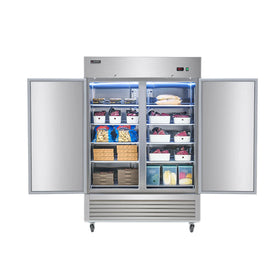
Once cooled, cooked rice is stored in commercial refrigerators. It is typically kept in:
-
Airtight food-grade containers
-
Labeled batch containers (with prep dates)
-
Sealed hotel pans or storage bins
Most food safety guidelines require cooked rice to be used within 3–4 days in refrigerated storage.
FAQs
Can you eat rice after 7 days in the fridge?
In most cases, no — it is not recommended to eat cooked rice that has been stored in the refrigerator for 7 days. The general food safety guideline is that cooked rice should be eaten within 3 to 4 days when properly refrigerated.
After 7 days, the risk of bacterial growth and foodborne illness increases significantly, even if the rice still looks or smells normal.
How do you know if cooked rice has gone bad?
Cooked rice has likely gone bad if it smells sour, feels slimy, shows mold, or has been stored too long. Since rice can spoil without obvious warning signs, it’s best to follow safe storage times and discard it when in doubt.
What is reheated rice syndrome?
“Reheated rice syndrome” is a term used to describe food poisoning caused by eating rice that was improperly stored after cooking and then reheated. It is most commonly linked to a bacterium called Bacillus cereus, which can survive cooking and multiply if rice is left at unsafe temperatures.
How long does rice poisoning last?
In most healthy adults, symptoms typically last about 6 to 24 hours, but in some cases they can persist for up to 2 days.
What will happen if I eat spoiled rice?
Eating spoiled rice can lead to food poisoning symptoms like vomiting, diarrhea, and stomach cramps, usually within a few hours. Most cases are mild and short-lived, but it’s important to stay hydrated and monitor symptoms.
What helps flush out food poisoning?
There is no quick way to “flush out” food poisoning, but your body usually clears it naturally. The best support is staying hydrated, resting, and eating bland foods once symptoms improve. Most people recover within a couple of days with proper care.
Does white rice affect A1C?
Yes, white rice can affect A1C levels, especially if it is eaten frequently or in large portions. This is because white rice is a high glycemic index (GI) carbohydrate, meaning it raises blood sugar quickly after eating.
Over time, repeated blood sugar spikes can contribute to higher average blood glucose, which is reflected in your A1C.